Birds11 min read
Help garden birds safely
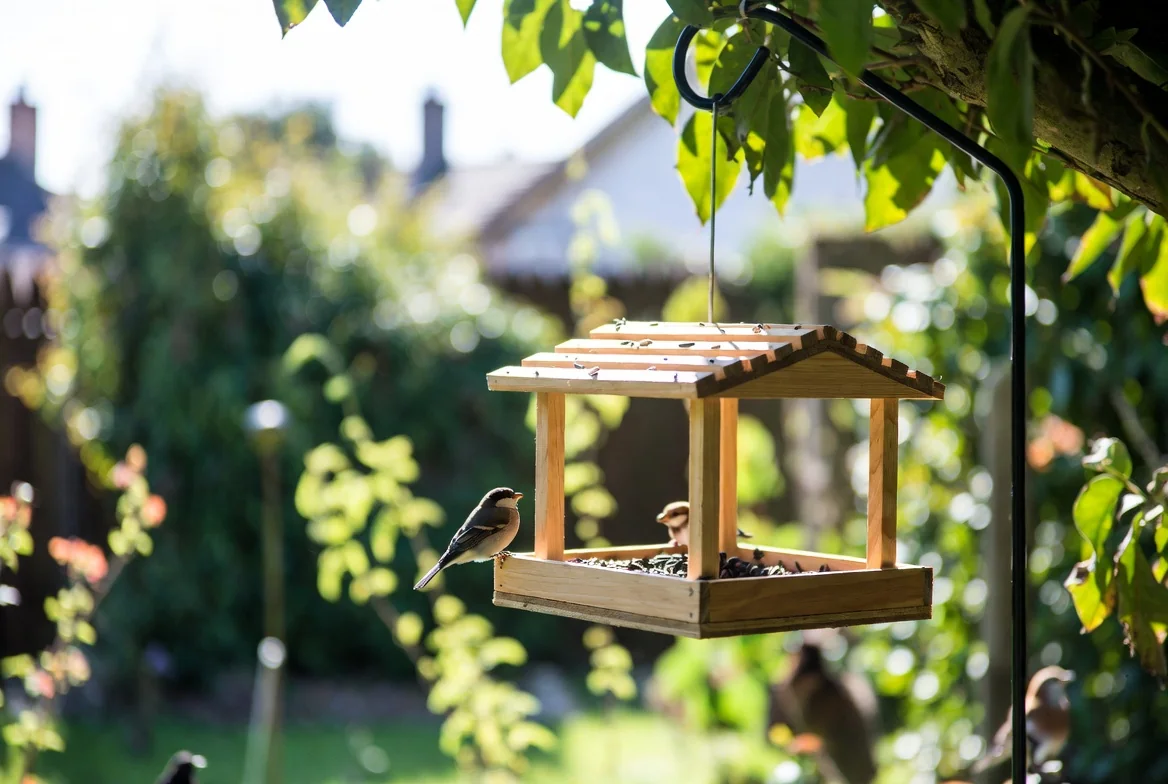
Cleaner feeders, fresh water, seasonal food and better shelter for the birds sharing your garden.

Transform any garden, balcony or tiny outdoor corner into somewhere life can feed, drink, shelter and thrive.
Skip the scroll. Pick a starting point based on the time and space you have, or score the habitat layers you already offer.
Five small actions for your first week of wildlife gardening.
Start this week 02I have 15 minutesQuick wins for water, food and shelter without a full redesign.
Browse quick projects 03I only have a balconyContainers, vertical planting and tiny water features that still help wildlife.
Open balcony guide 04Score my gardenCheck food, water, shelter and access, then get three practical next steps.
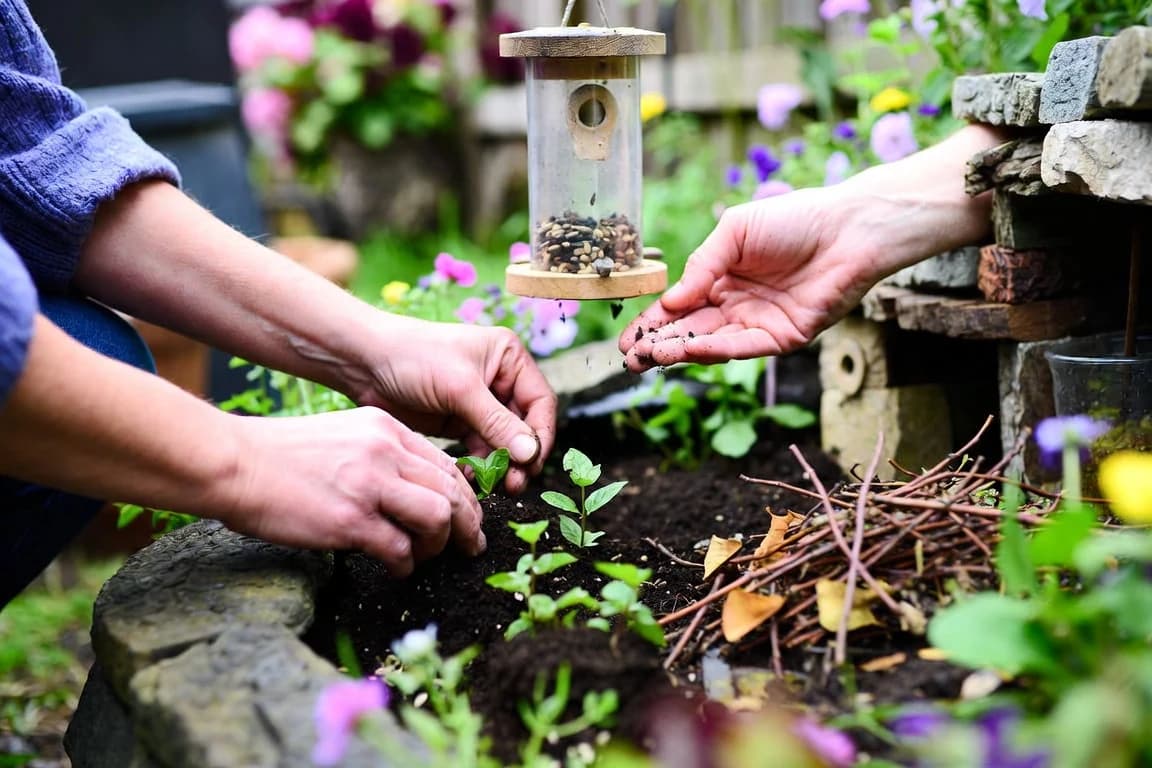
Open garden plannerEvery flower, stone, puddle and fallen leaf can play a part. Mini Wild Garden shows you how to notice what is already there, then make thoughtful changes that help it flourish.
Discover our approach →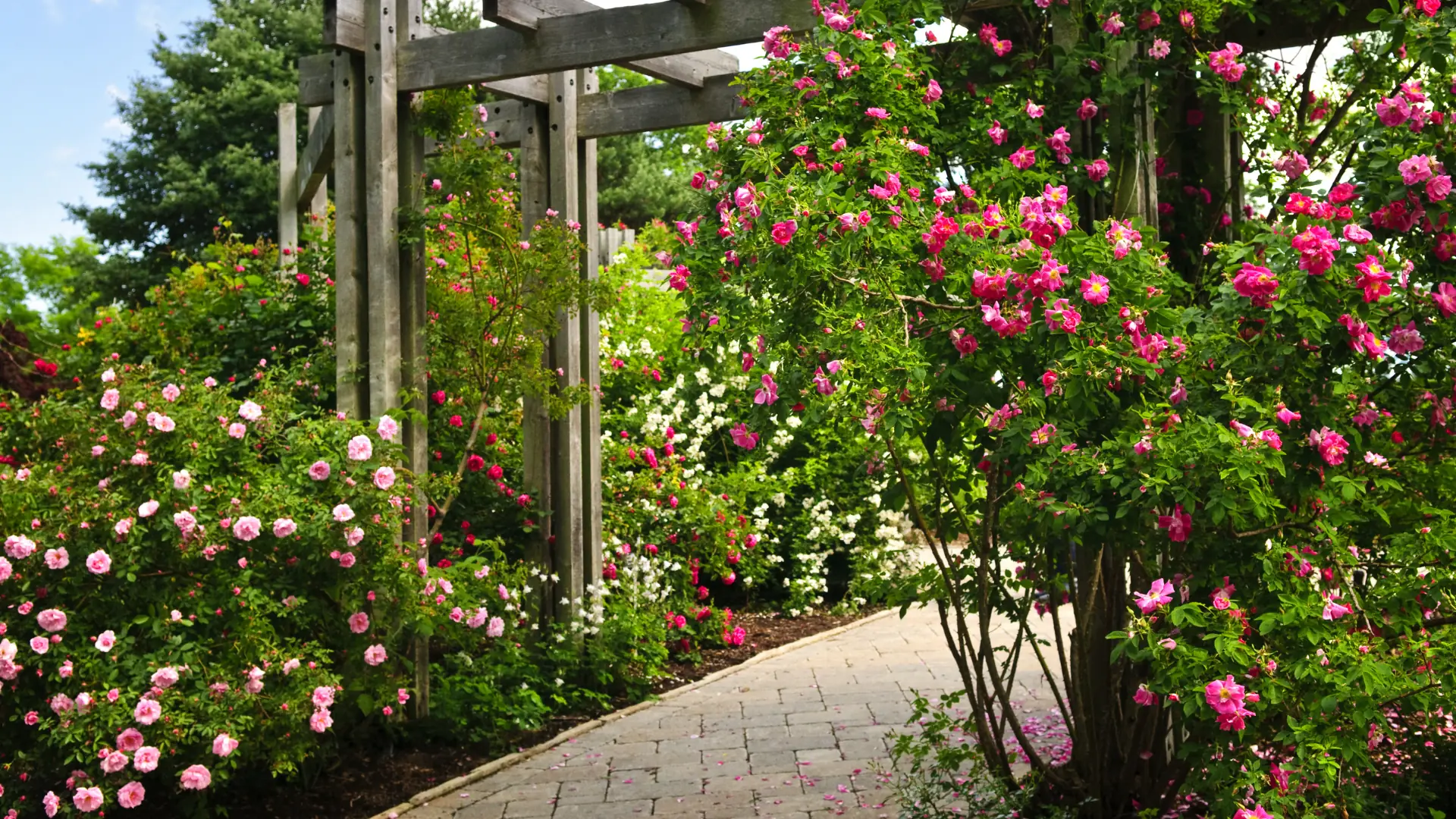
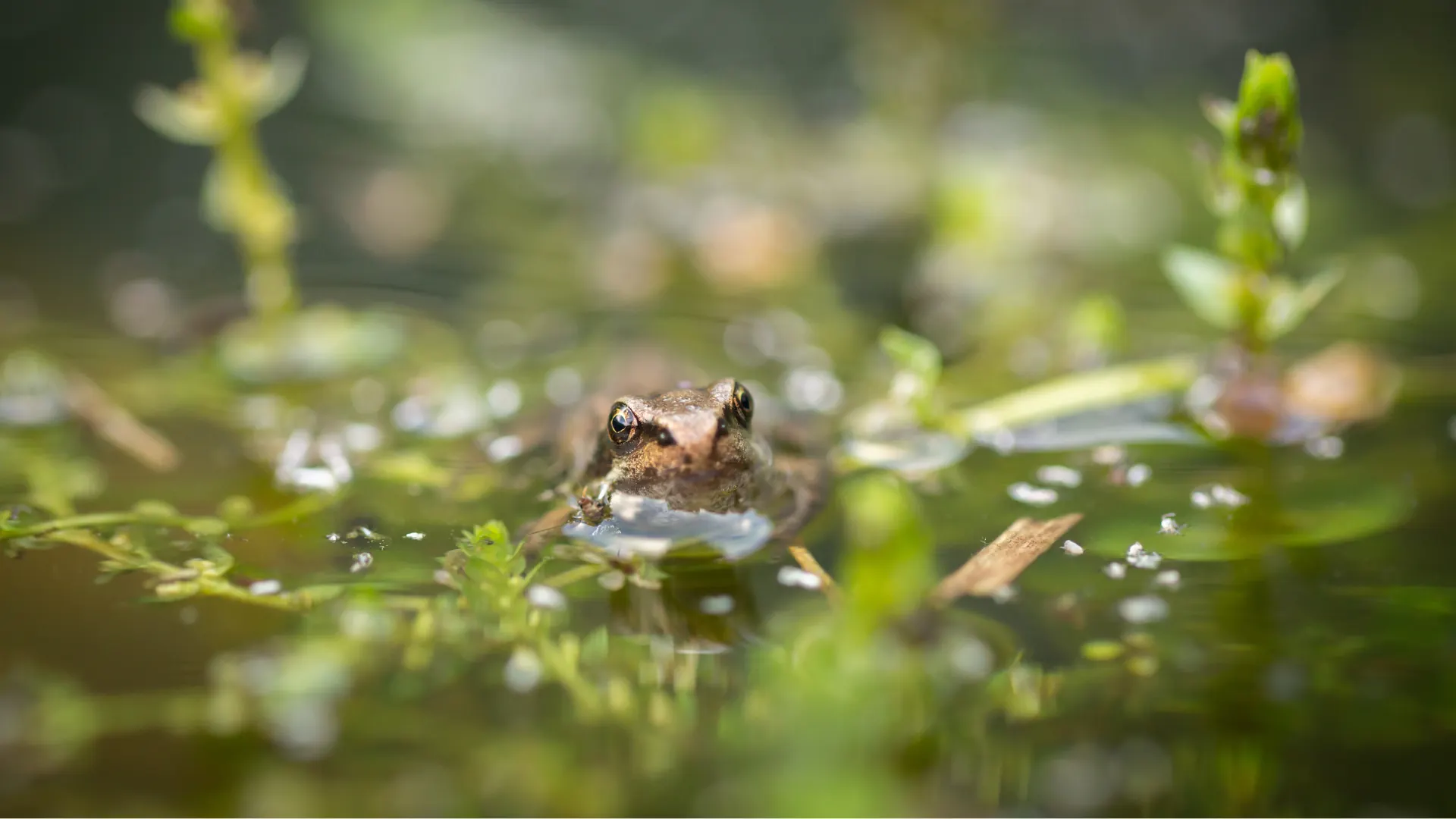
Follow the life already moving through your space and learn what will genuinely help.
Cleaner feeders, fresh water, seasonal food and better shelter for the birds sharing your garden.
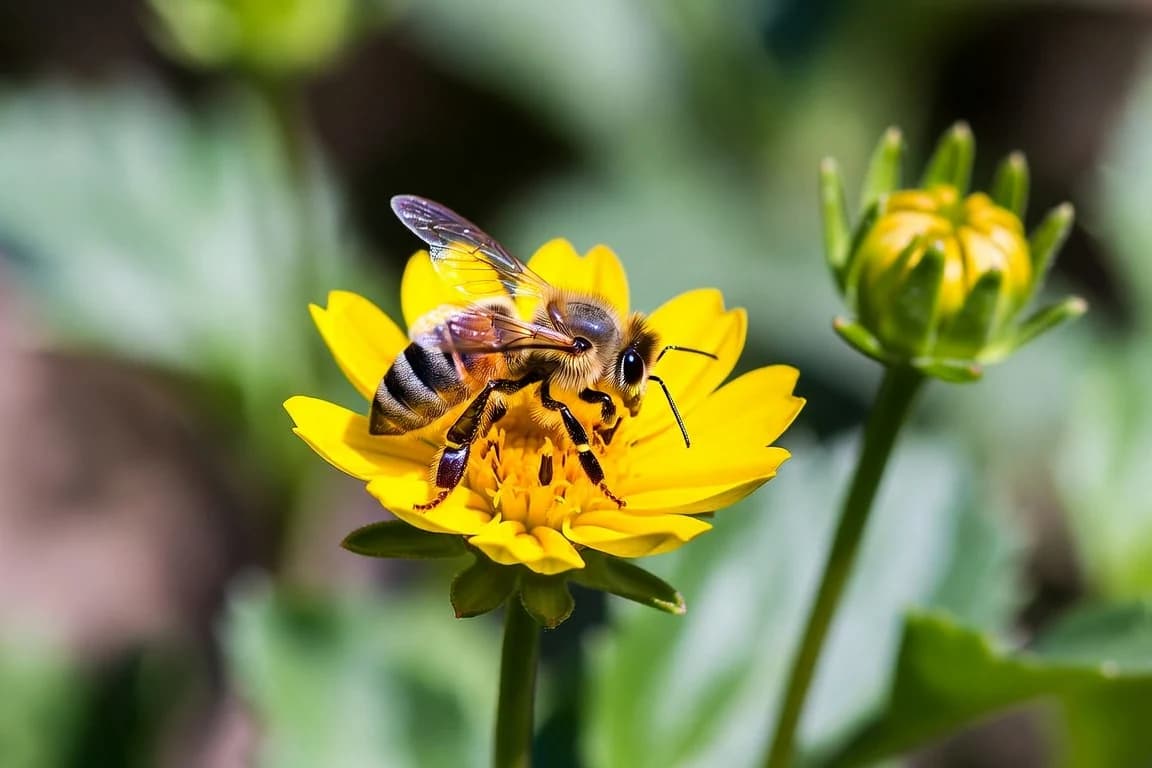
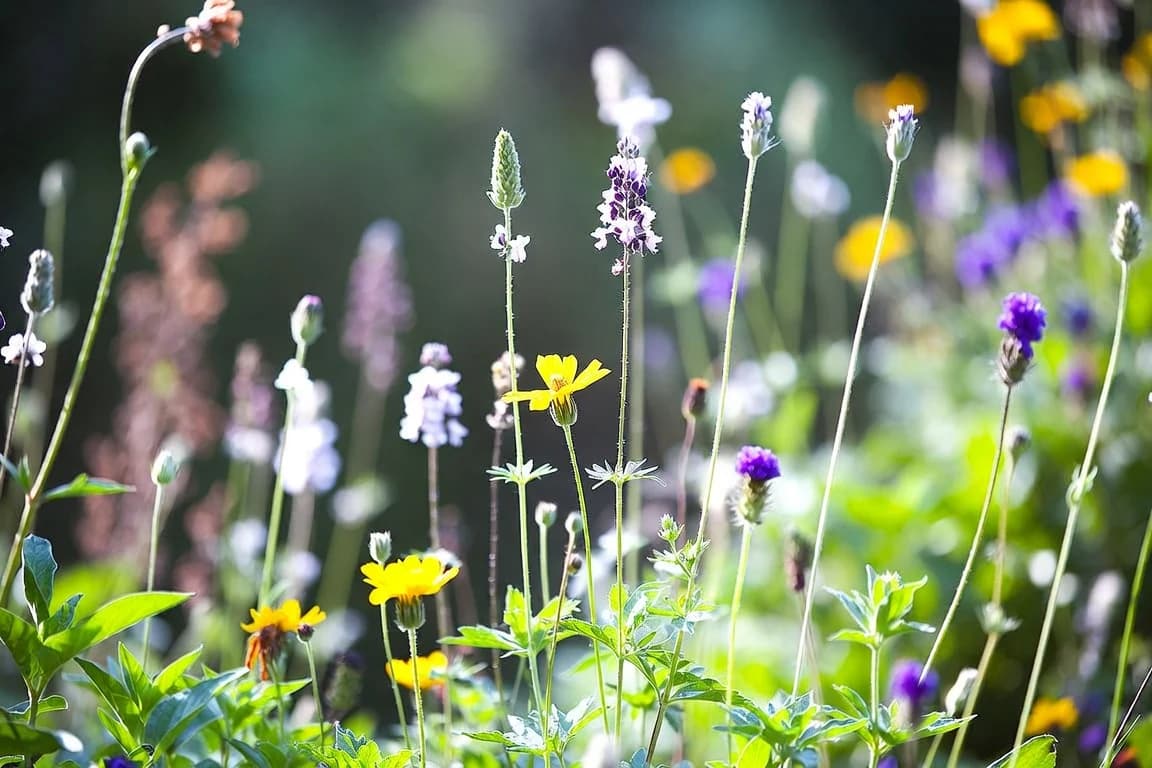
Create a long flowering season and give pollinators somewhere to feed, drink and nest.
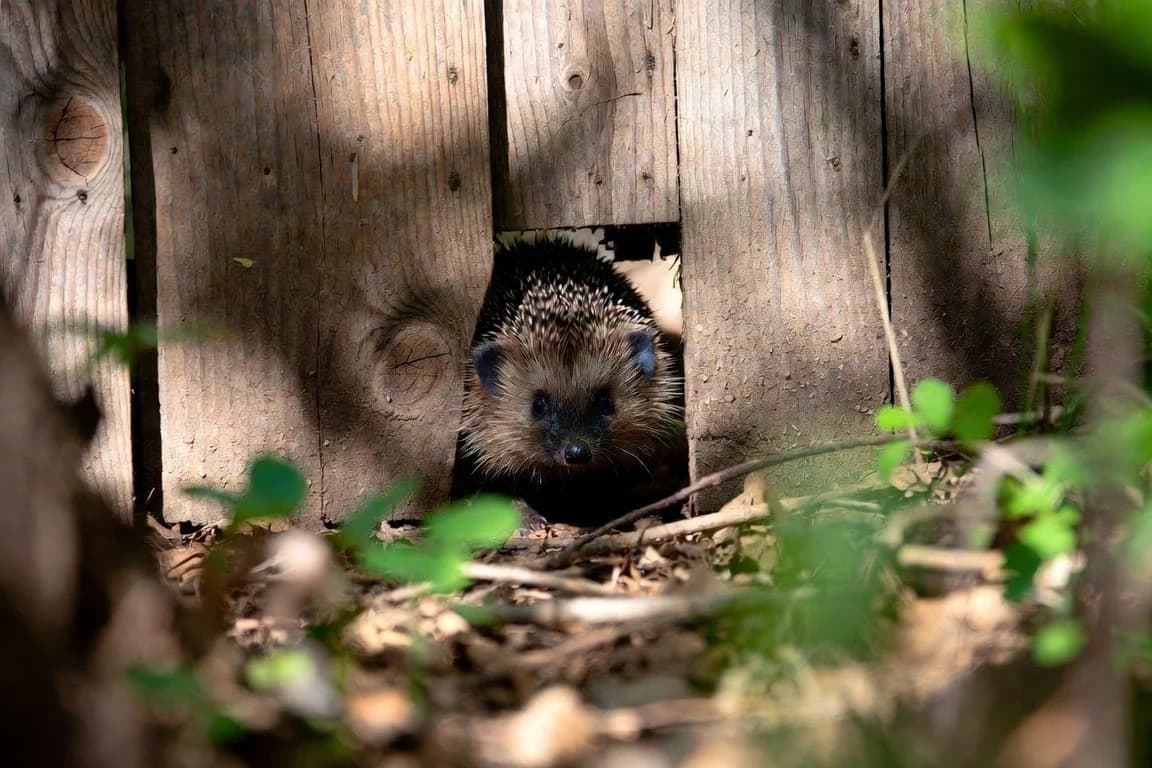
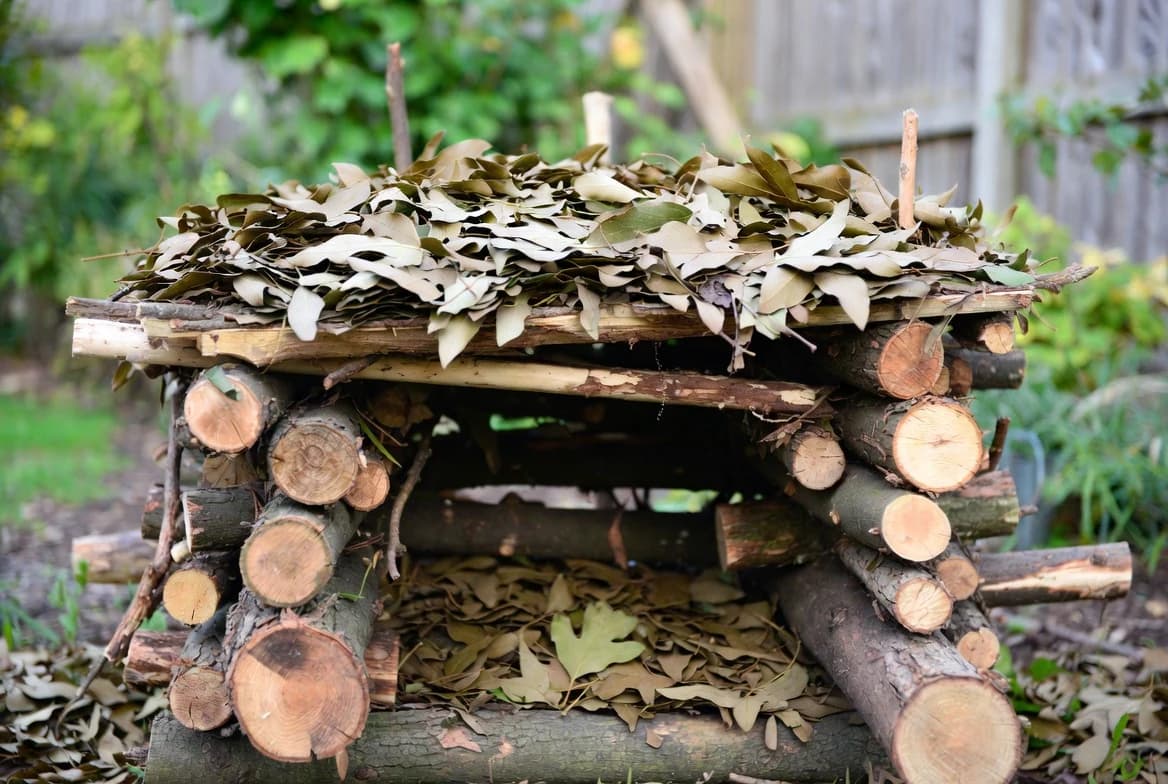
Improve access, reduce common hazards and create quiet corners for shelter and feeding.
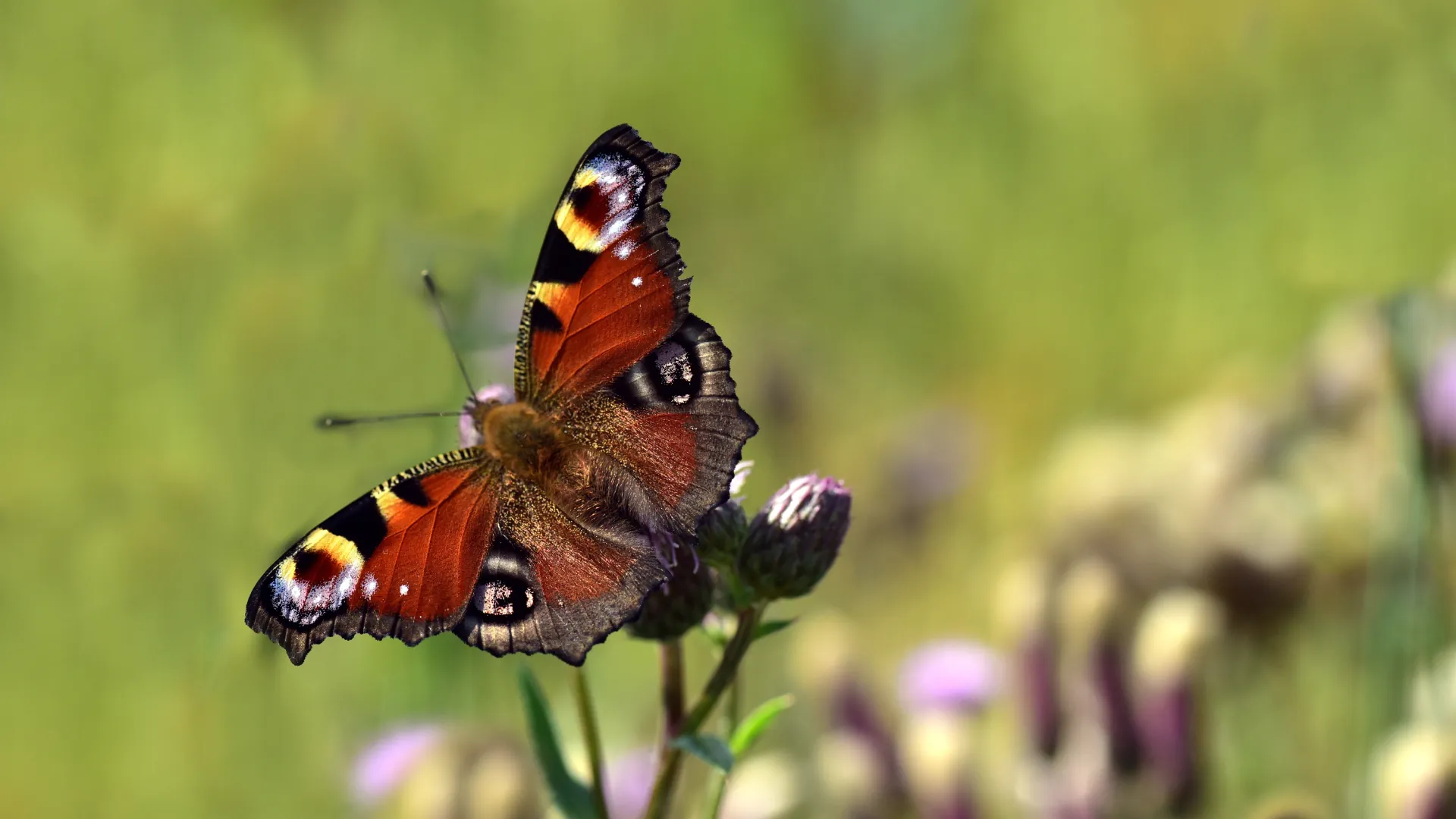
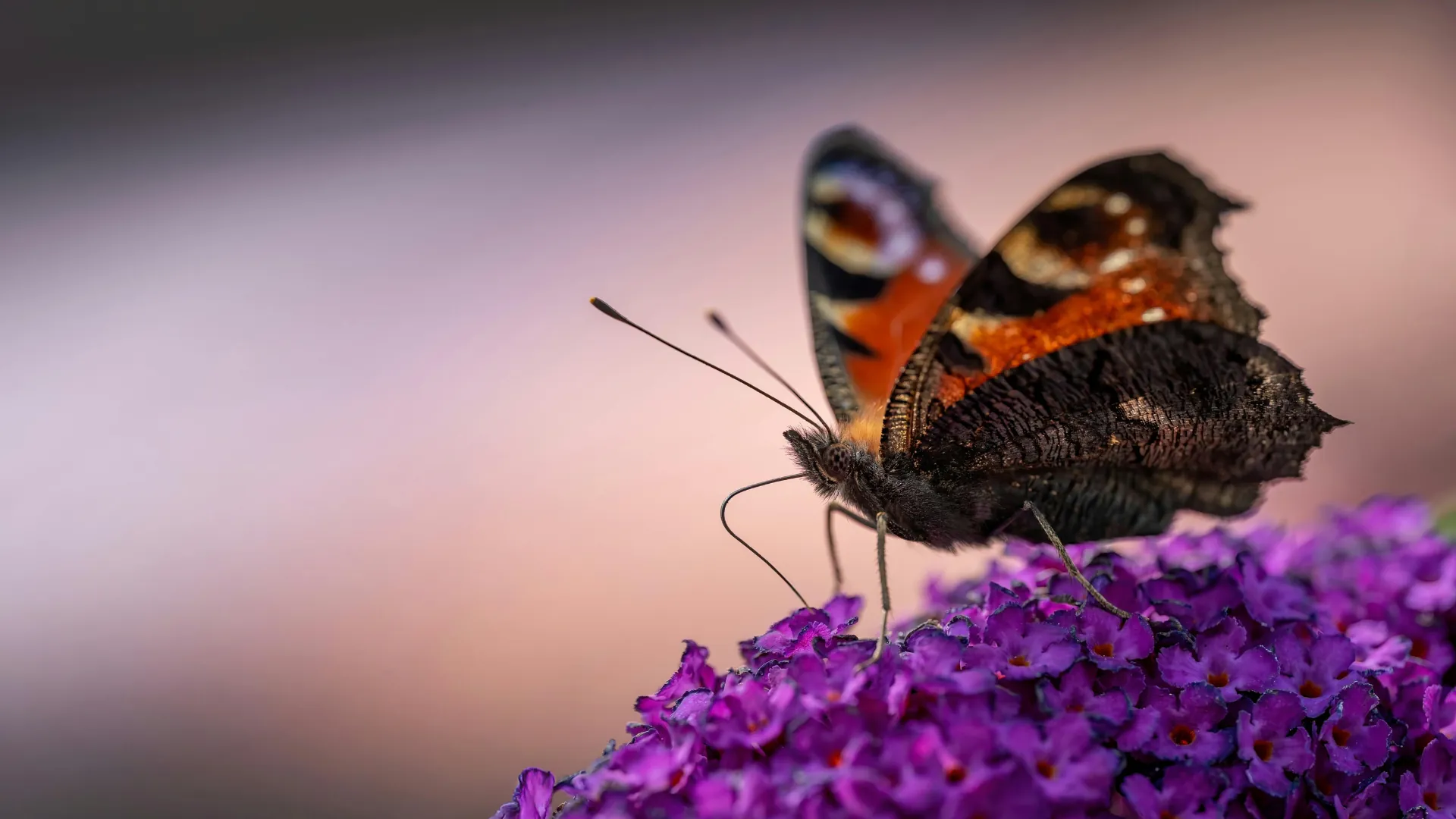
Provide nectar for adults and food plants for caterpillars without needing a huge space.
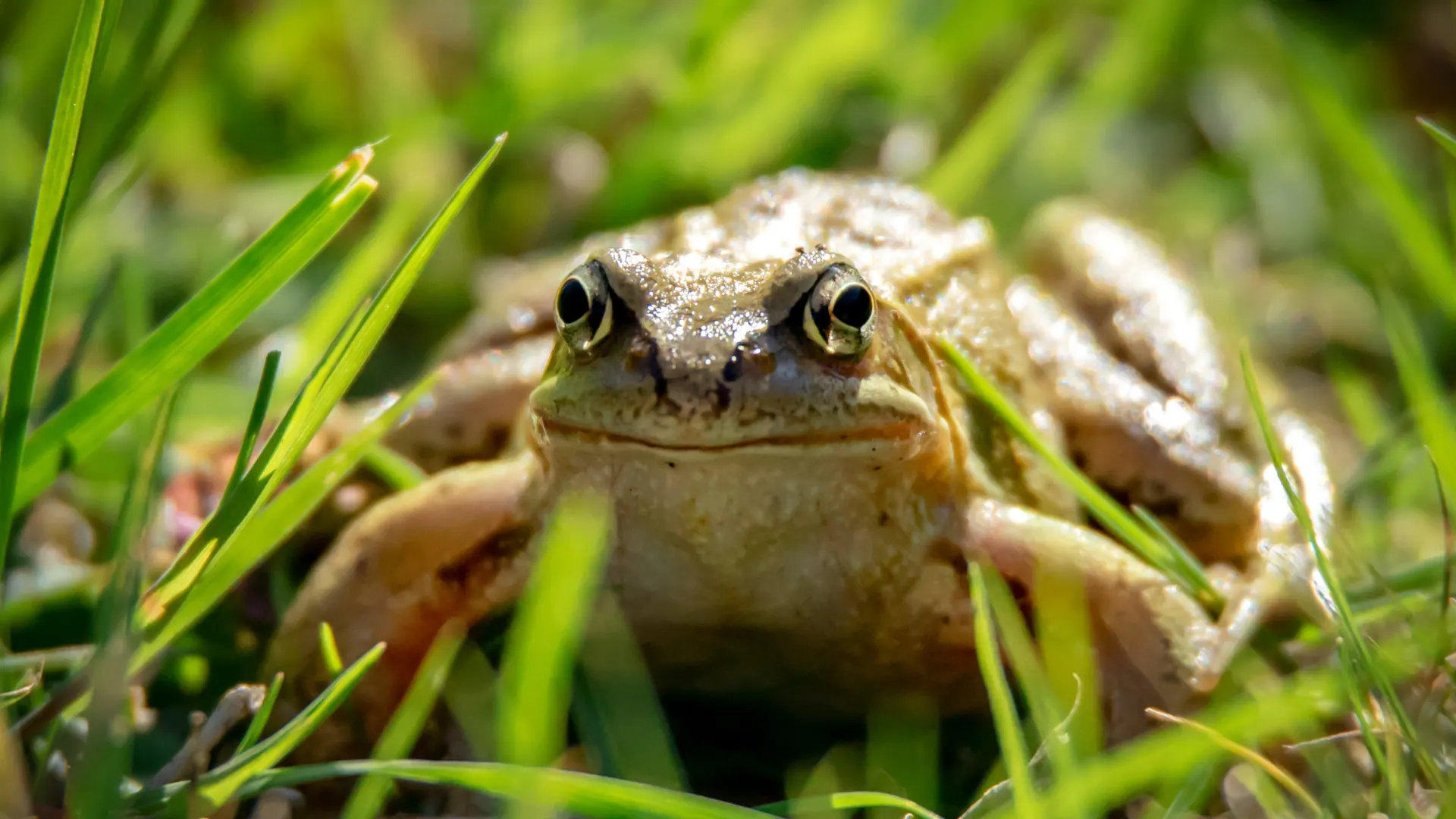
Add water safely, provide cover and connect damp habitats around your garden.
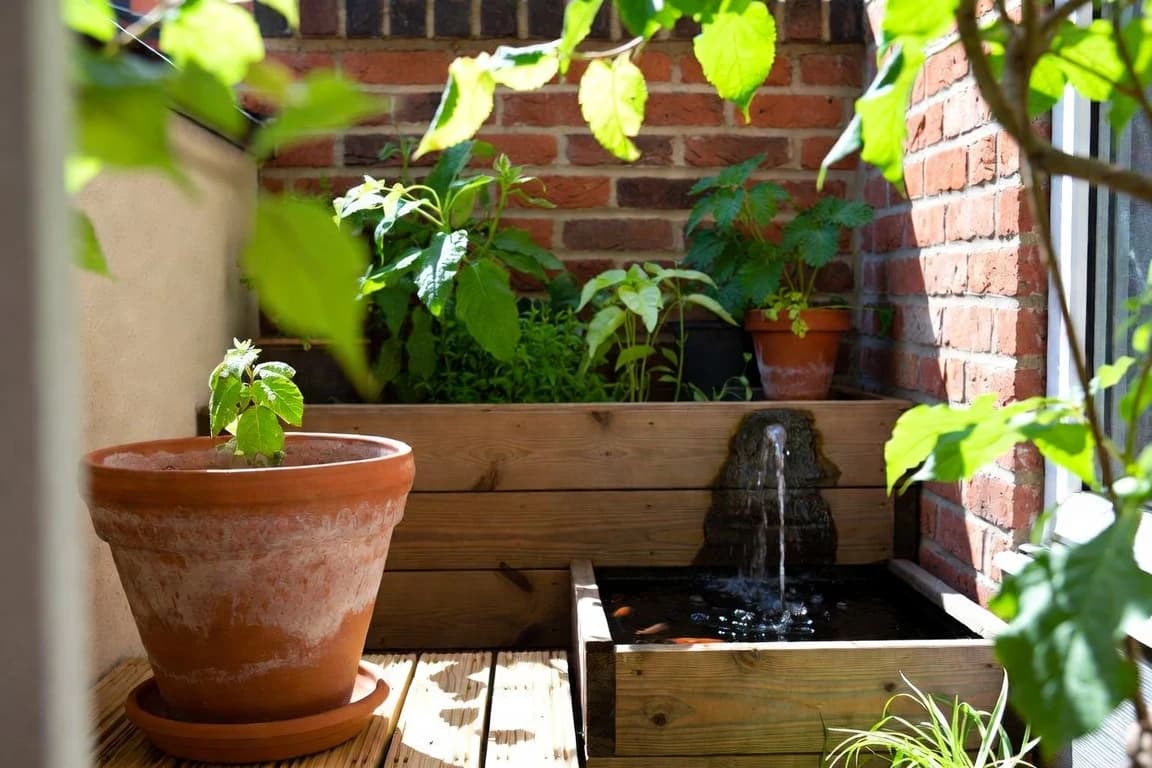
Use walls, pots, containers and vertical planting to turn limited space into useful habitat.
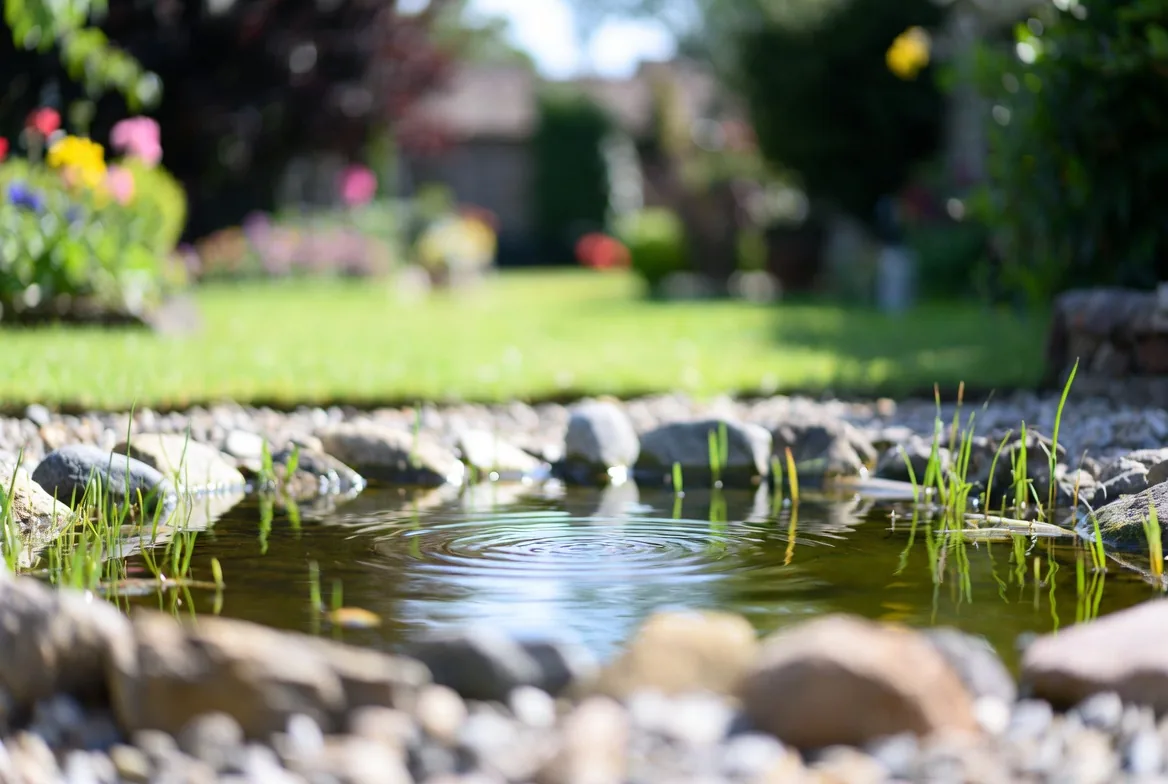
Build with shallow margins, a secure escape route and enough cover for wildlife to move safely between water and land.
Build a wildlife pondIt supports drinking, bathing, breeding and hunting, often bringing several layers of the garden food web together.
A thriving garden is a patchwork: flowers in the sun, shelter in the shade, water at ground level and safe routes between them.
Start with a project that fits the time, space and energy you have. Small changes compound when they connect.
See all garden projectsWhat wildlife needs changes throughout the year. Let the garden’s rhythm guide what you do next.
 March – MayJune – August
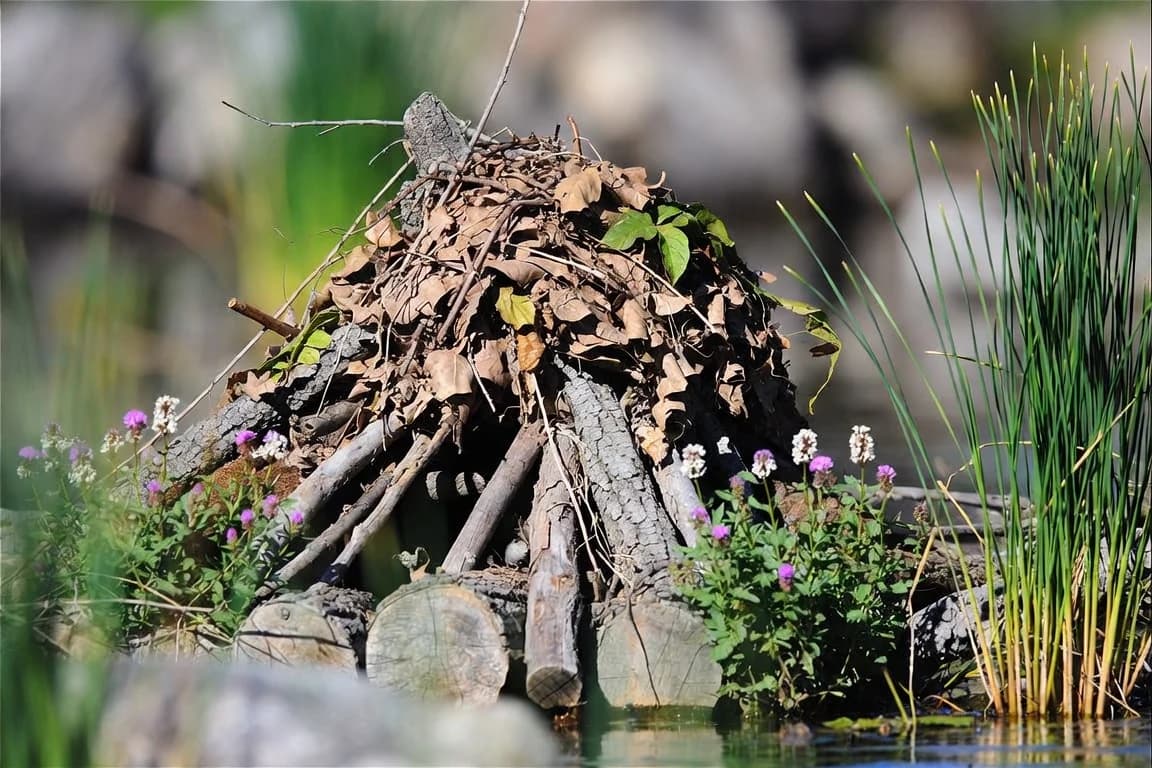 September – November
 December – February
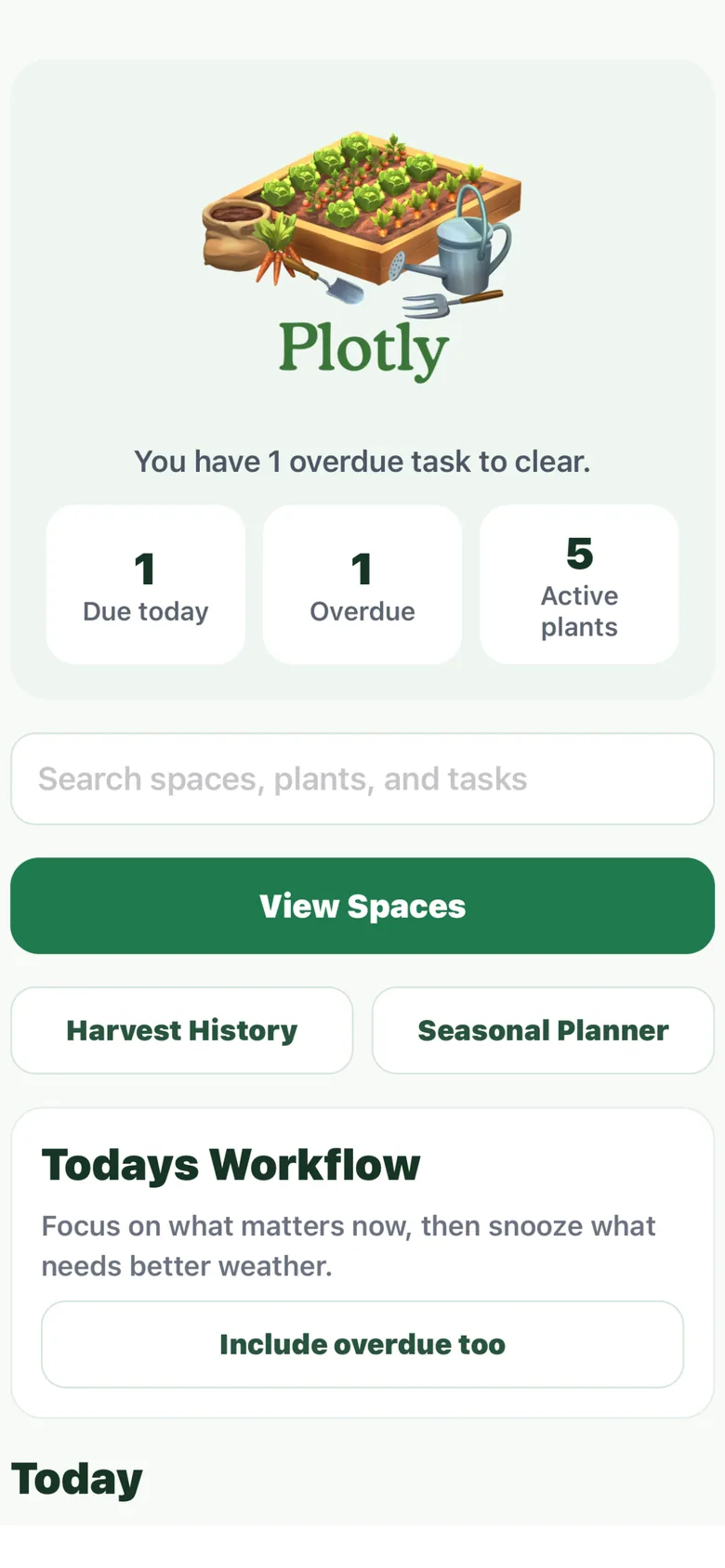
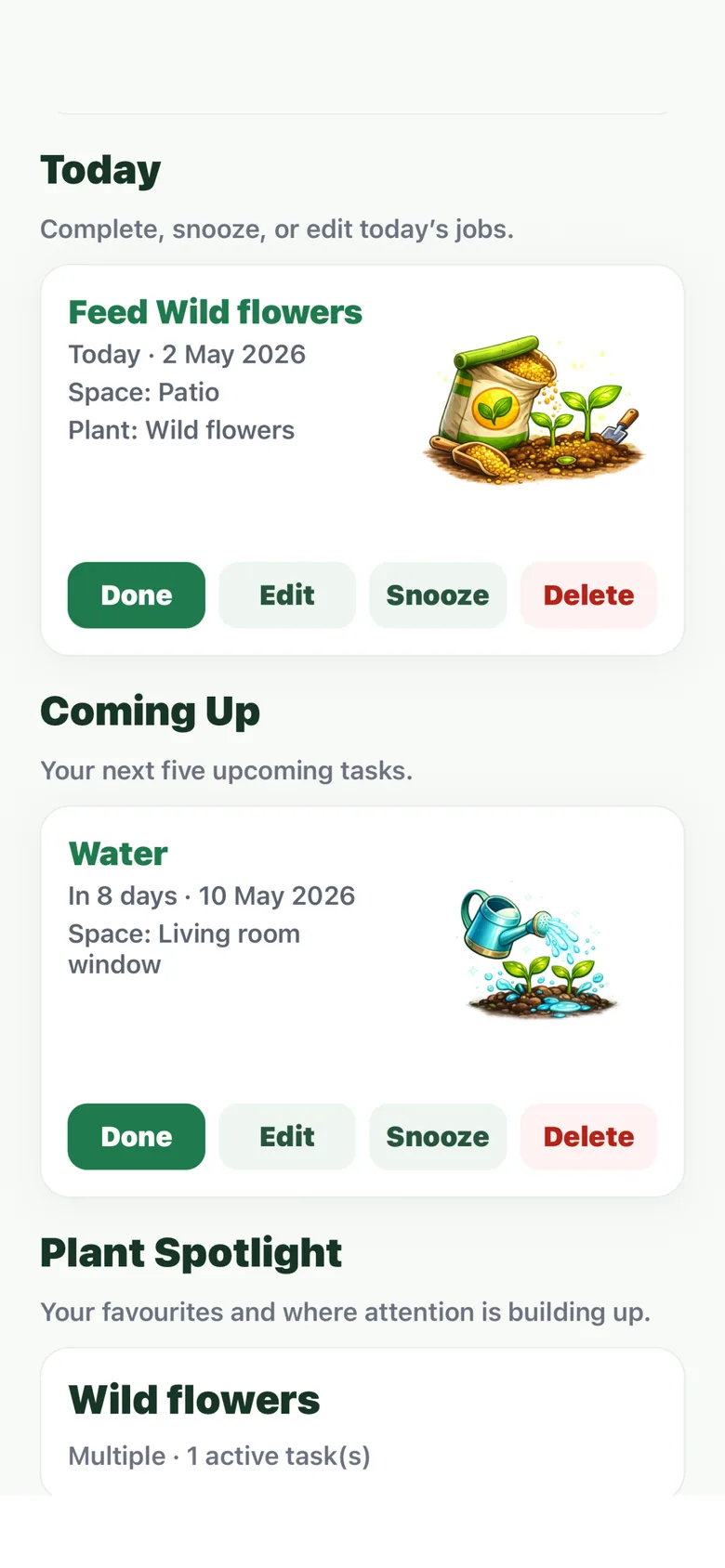
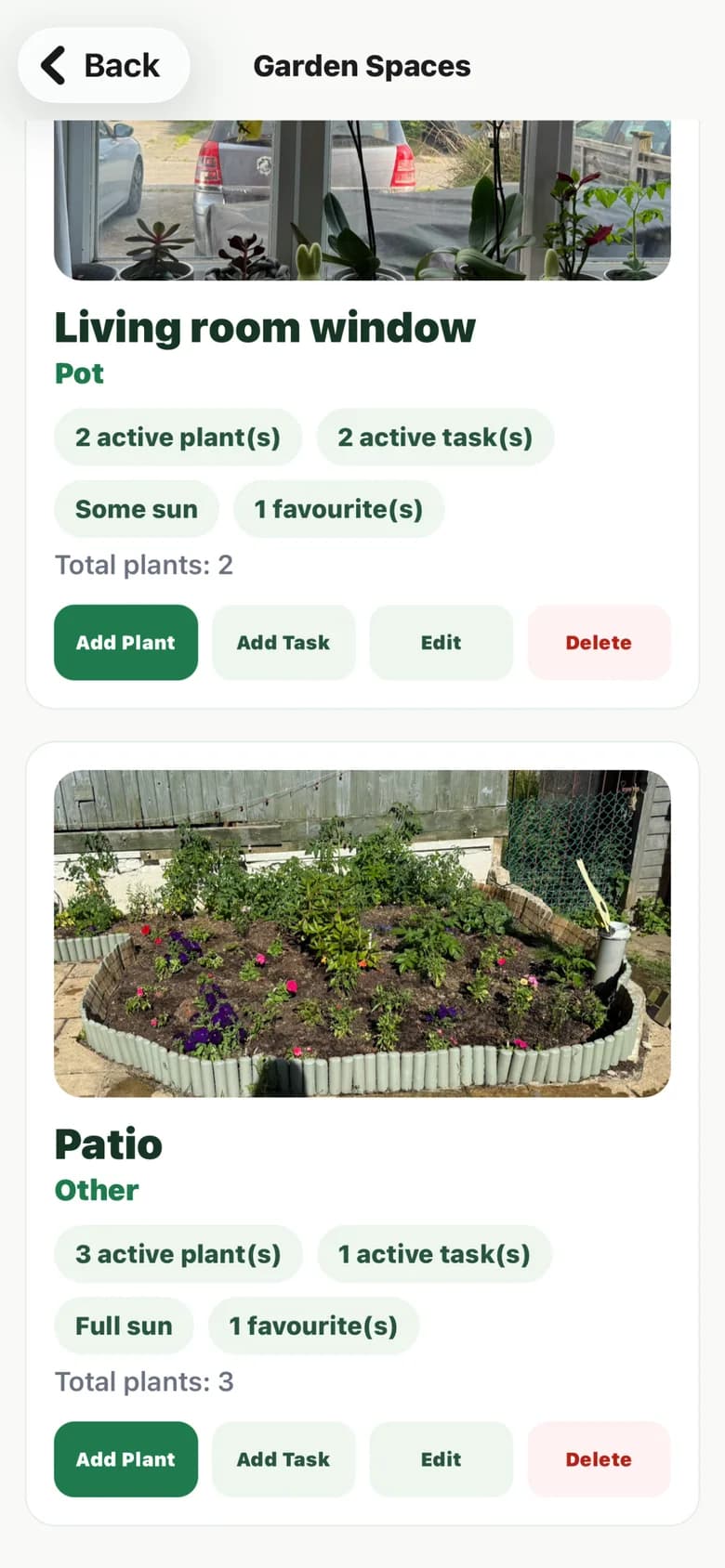
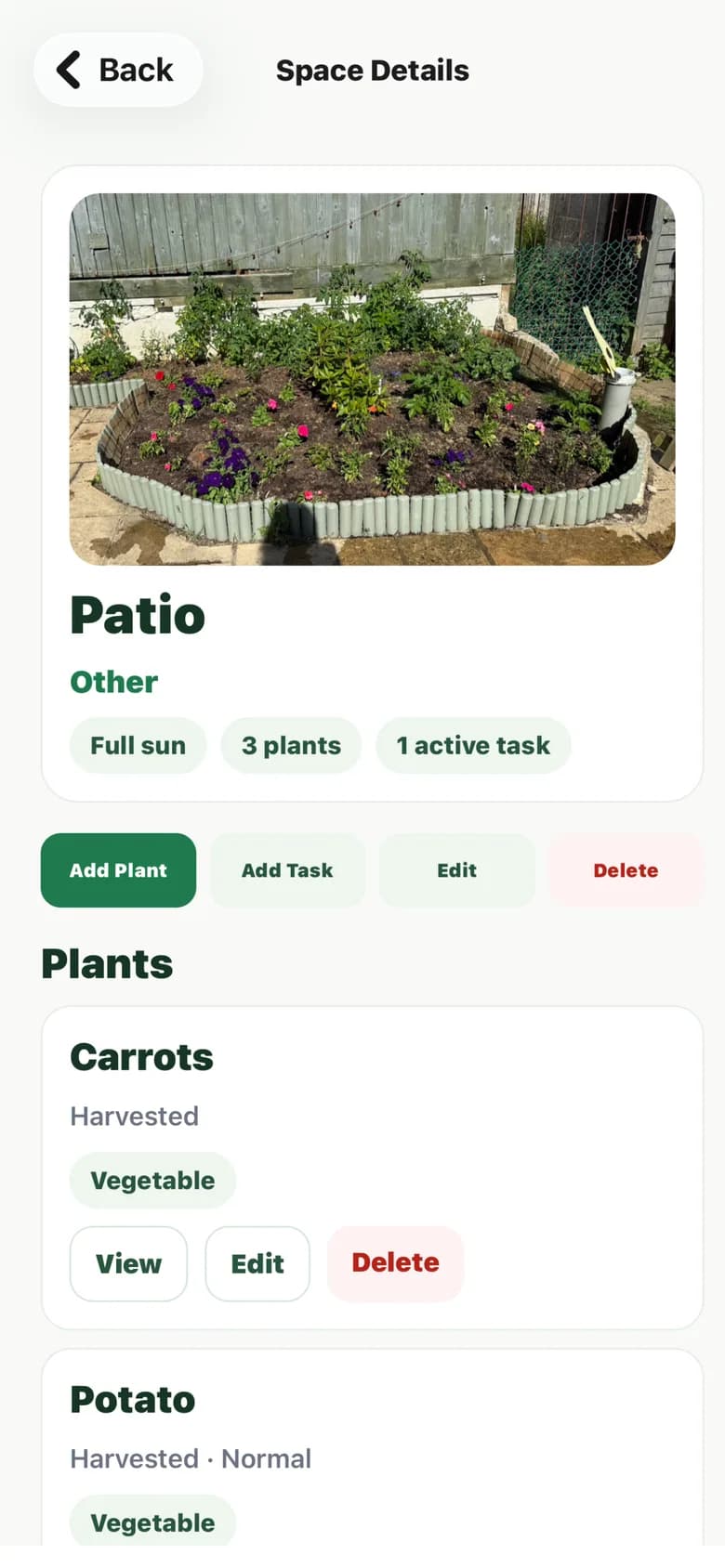
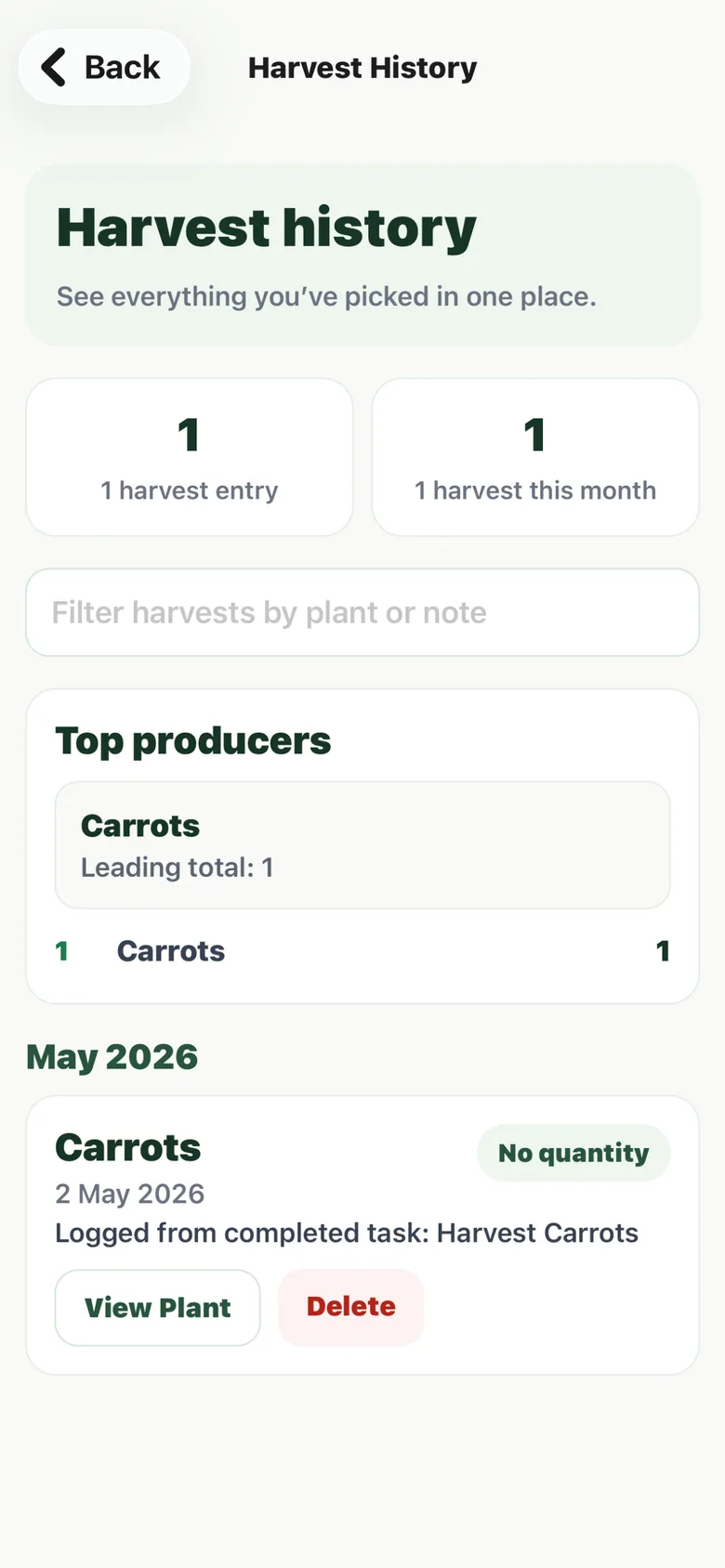
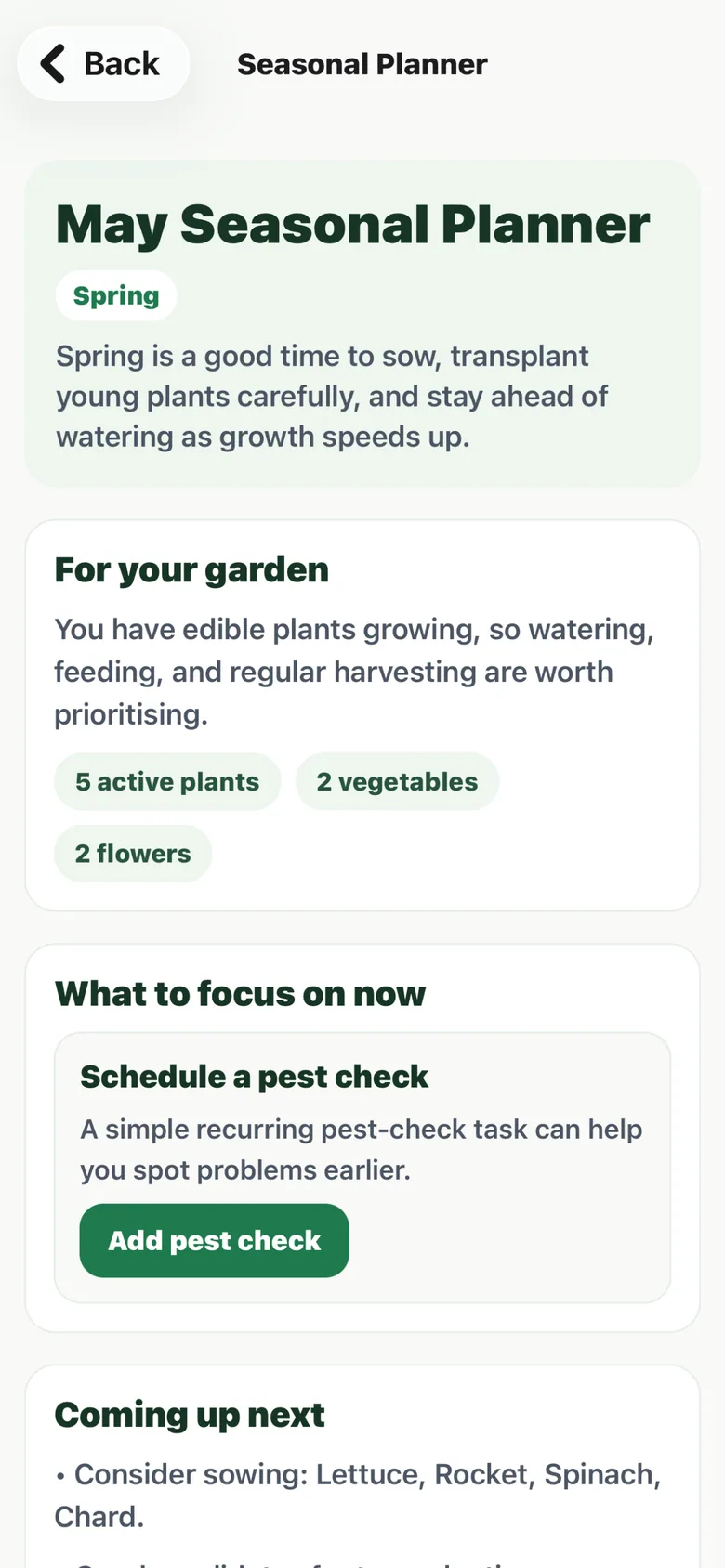
Prefer to plan on your phone? Plotly is a free garden planner for iPhone from Natasha Card. Create spaces for beds, pots and borders, keep plant notes, schedule jobs, and see what is due today without spreadsheets or sticky notes.
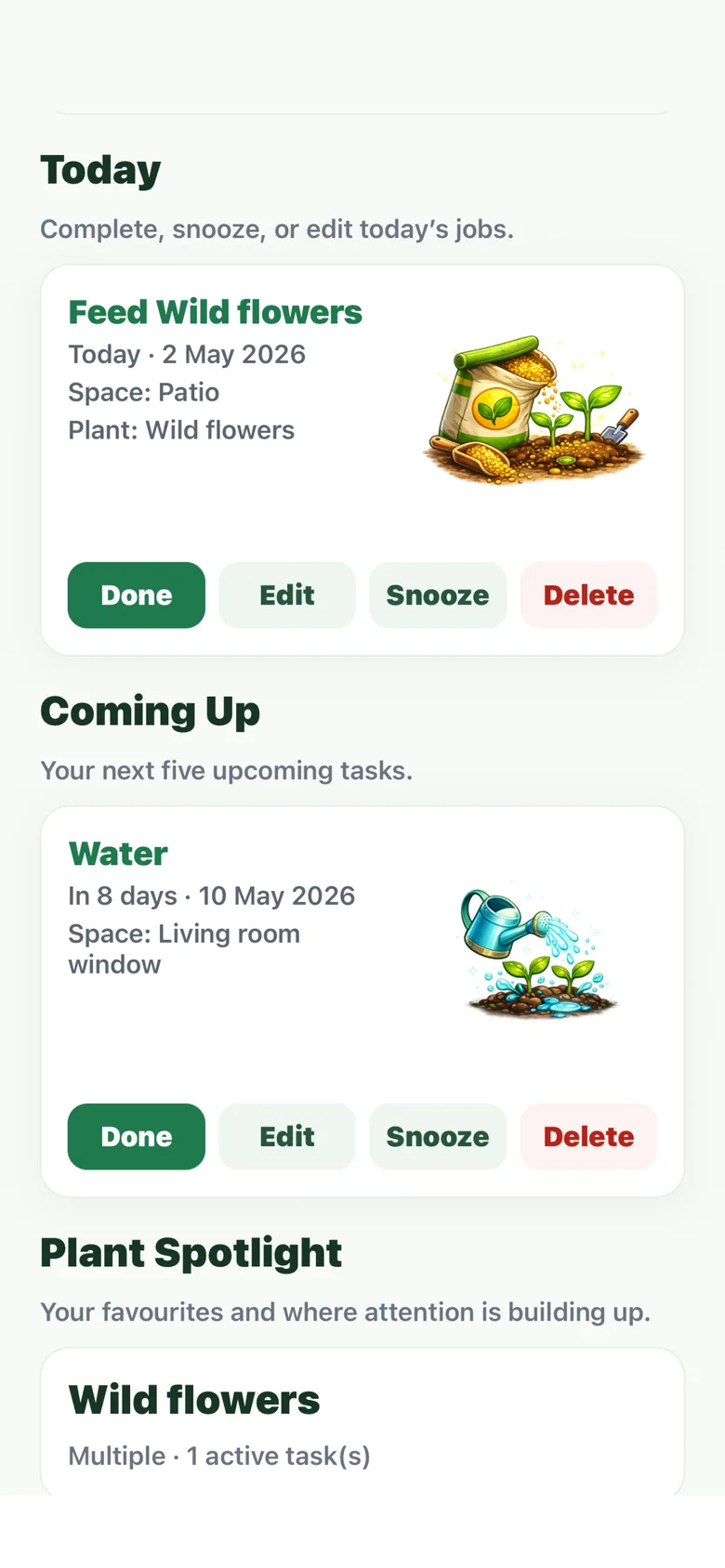
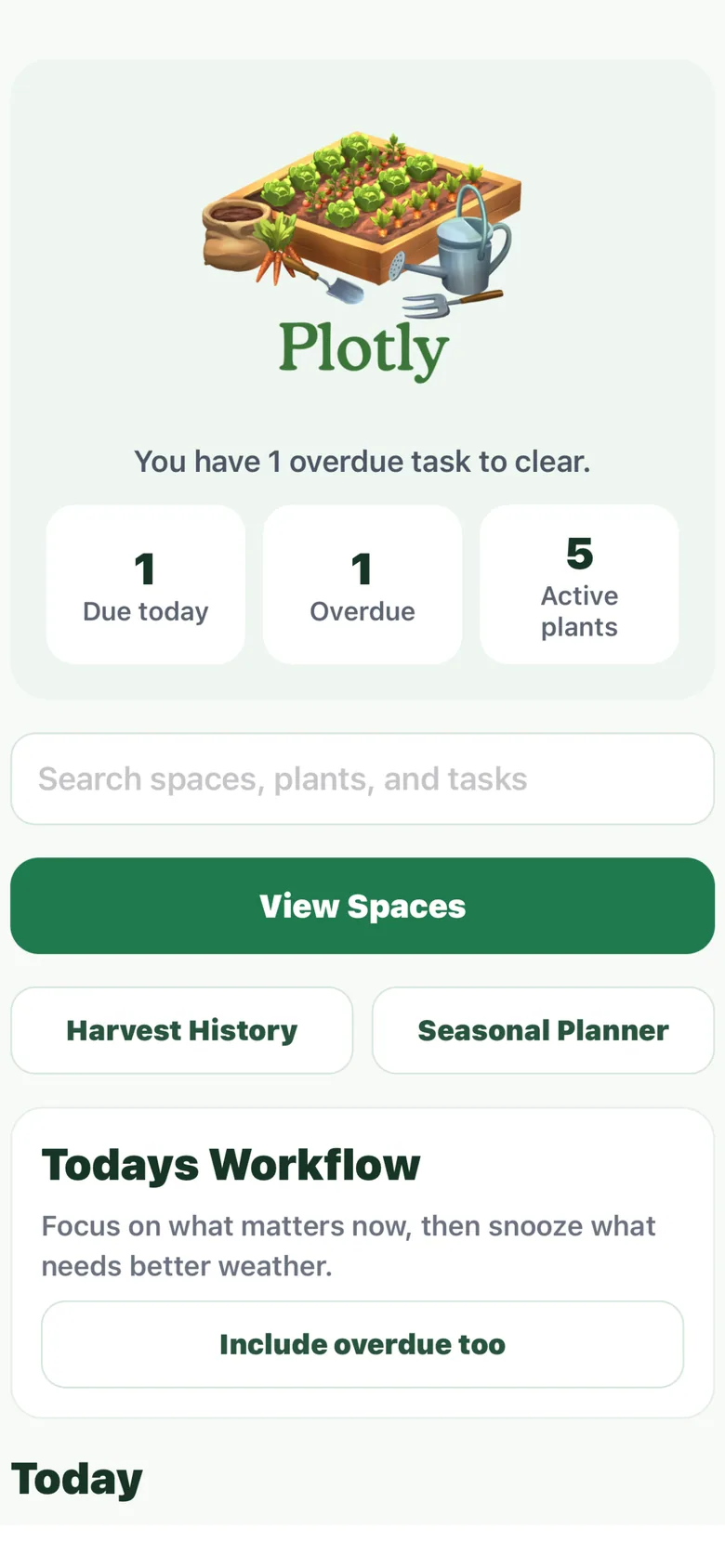
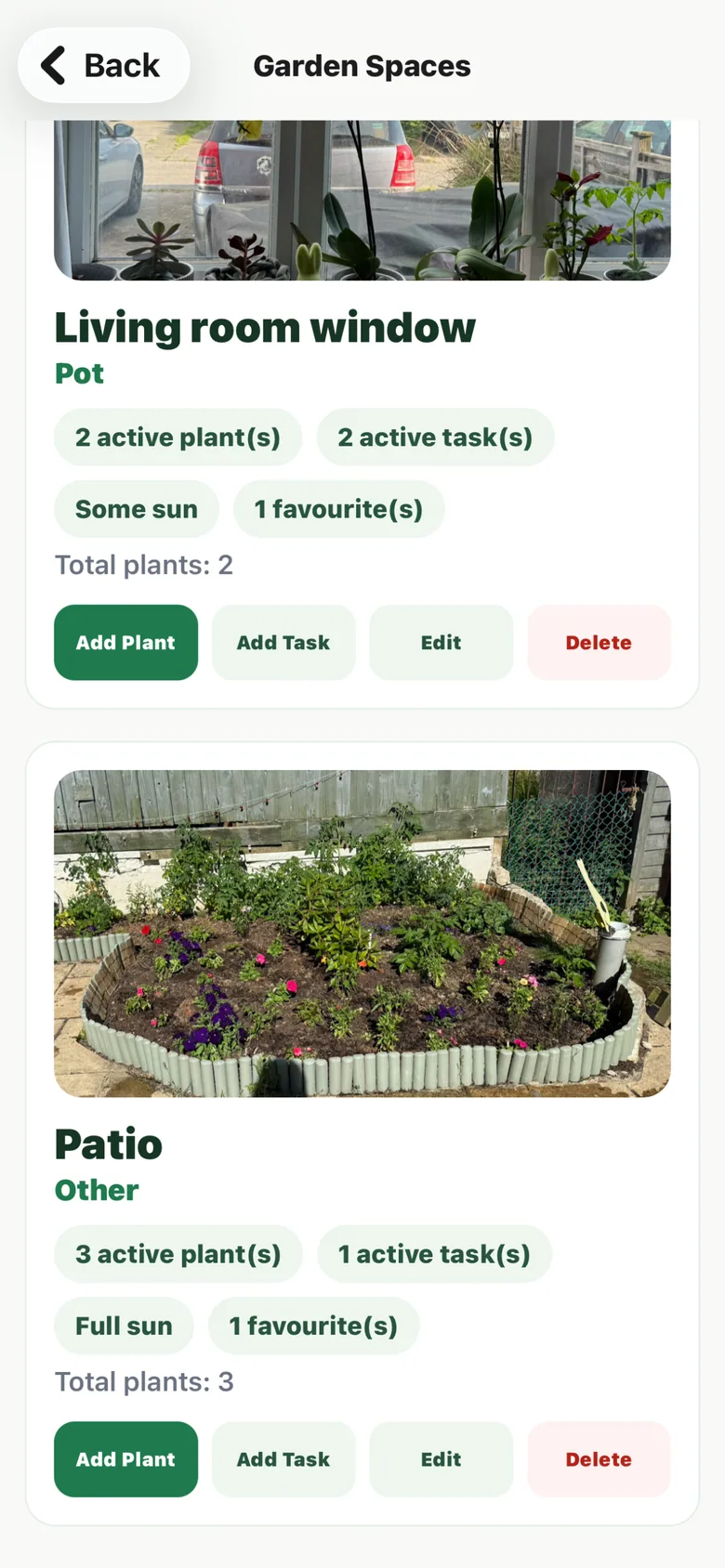
Inside the app