Feed seasonally
Small amounts, eaten quickly, with the menu adjusted through the year.
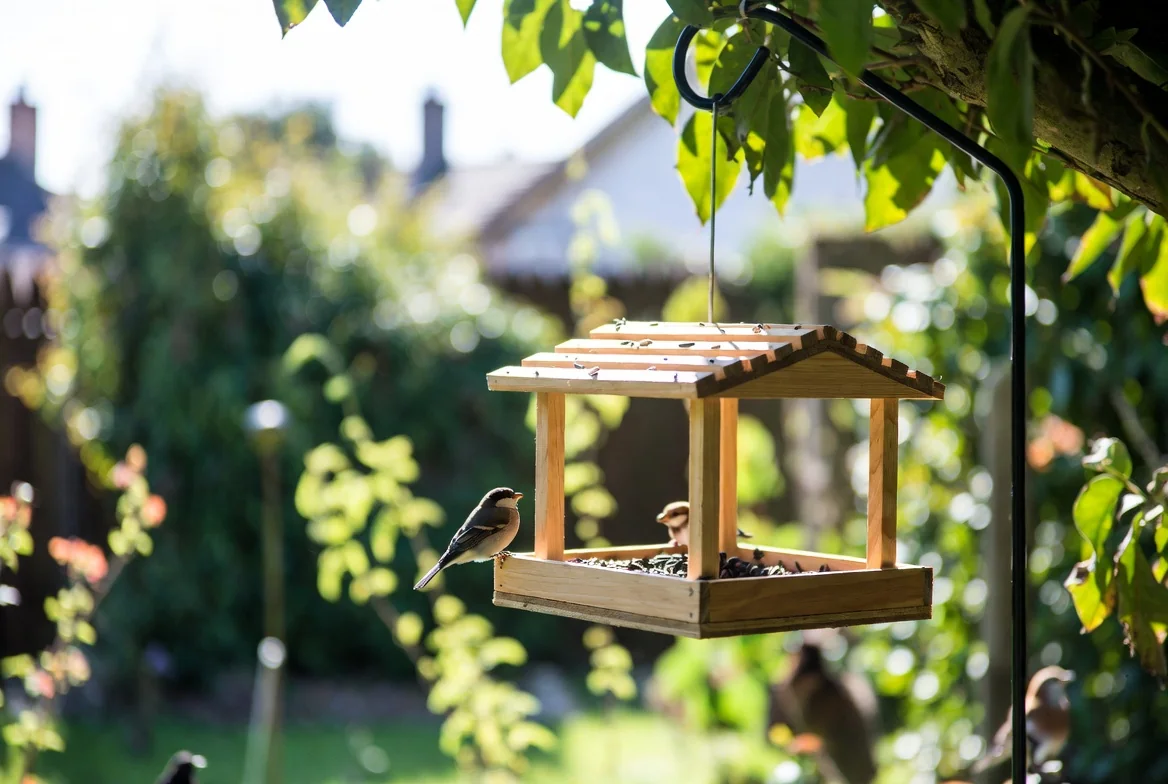
Offer food, water and shelter without turning a busy feeding station into a place where disease can spread.
Feeding gathers birds together, so good hygiene matters as much as the food itself. Spread activity through the garden, refresh water daily and let planting provide much of the natural menu.
Small amounts, eaten quickly, with the menu adjusted through the year.
Clean drinking and bathing water can matter even when food is abundant.
Flowers, insects, berries and shelter make the whole garden useful.
Choose simple equipment that comes apart fully, dries quickly and does not trap stale food in hidden corners.
01Choose a position with a clear view around the feeder and nearby cover that birds can retreat to, but not so close to dense shrubs that a cat can wait unseen. Keep the flight path open and avoid placing food beneath regular roosting branches where droppings may contaminate it.
Hanging feeders are generally easier to keep hygienic than flat tables. Use more than one small feeding point if many birds gather, and move feeders regularly so waste and droppings do not build up underneath.
 02
02Current RSPB guidance recommends seeds and peanuts between November and April, when birds need high-energy food. Put out only what will be eaten quickly, remove old food before refilling and keep everything dry.
During spring and summer, small amounts of soaked mealworms can provide protein. Clear any uneaten mealworms by dusk, especially when they are scattered on the ground, and avoid mouldy, salty or stale food at any time of year.
 03
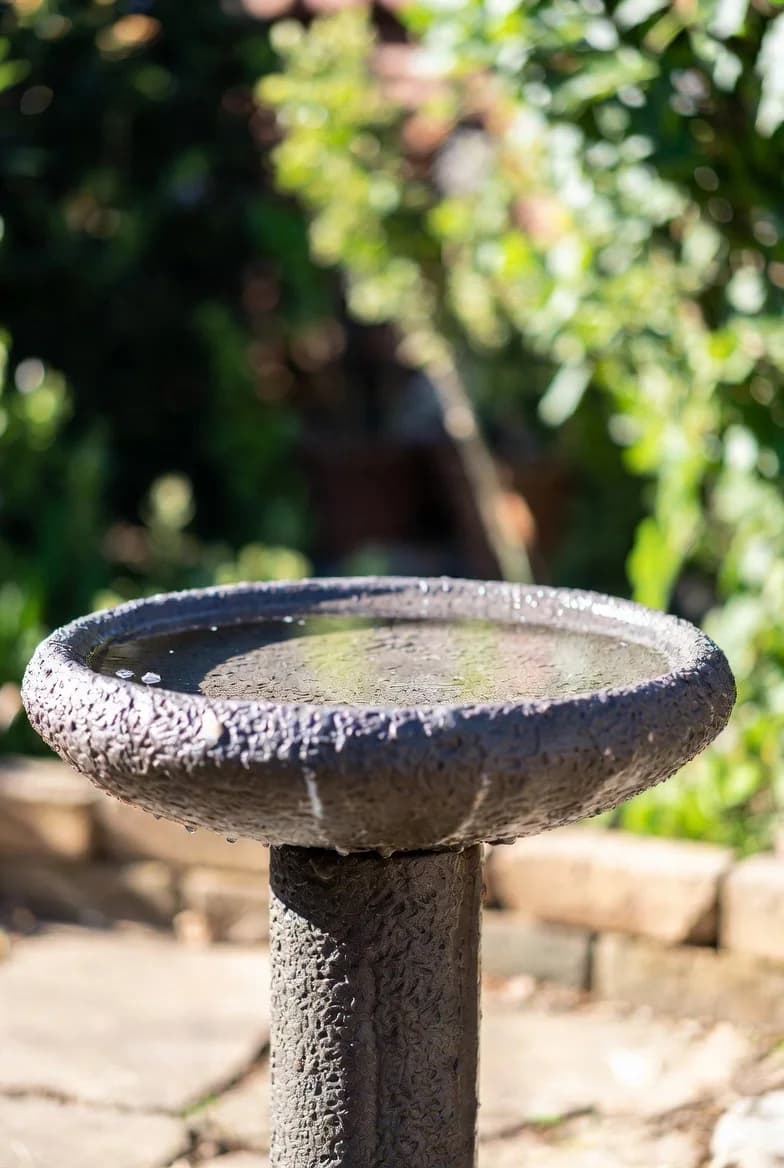
03A shallow bath lets birds drink and maintain their feathers. Choose a rough surface and gently sloping sides, or add a stable stone for secure footing. Place it where birds can check their surroundings before landing.
Empty and refill the bath with fresh tap water daily. Rinse away droppings, leaves and algae, then disinfect thoroughly every week. If that routine is not possible, leaving the bath dry is safer than allowing stagnant, contaminated water to remain.
 04
04Wear gloves, discard leftover food into an outdoor household bin and dismantle the feeder fully. Scrub every part in hot soapy water with tools used only for wildlife equipment, then apply an animal-safe disinfectant according to its instructions.
Rinse thoroughly and let every piece dry completely before reassembly. Wash hands and forearms afterwards, clear waste from beneath the station and move the feeder to reduce contamination in the soil.
 05
05Different birds need different entrance sizes and box styles. Buy or build a design intended for a known species, with untreated timber, drainage and no perch below the entrance. A perch is unnecessary and can help predators or competitors.
Fix the box securely, away from cats and intense midday sun, with an unobstructed flight path. North- or east-facing positions often avoid the strongest sun and wettest winds, although the best place depends on shelter already provided by the building or garden.
 06
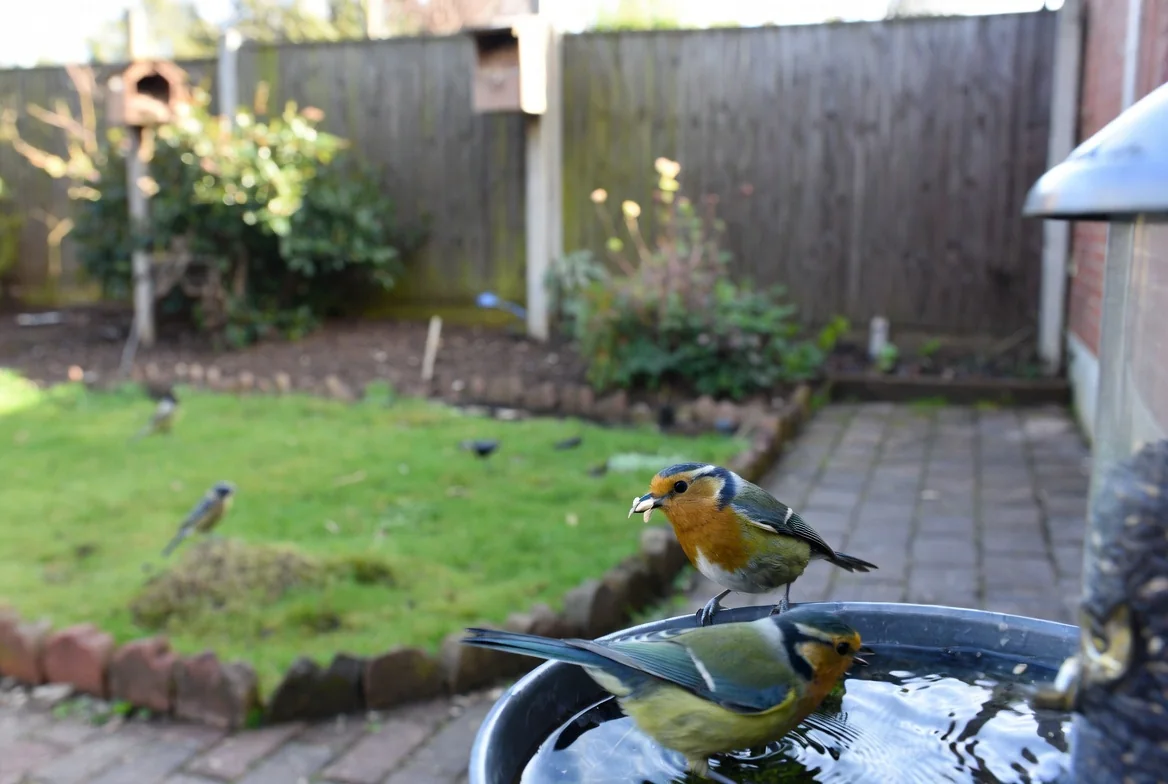
06Leave some seed heads standing, grow berry-bearing shrubs, allow leaf litter beneath hedges and plant flowers that support insects. Natural food spreads birds through the garden rather than concentrating them at one station.
Dense shrubs, climbers and mixed-height planting provide cover, nesting structure and places to hunt. Feeders should supplement a living garden, not replace one.
Always remove anything mouldy, damp or uneaten.Offer suitable high-energy food in feeders, in quantities that disappear within one or two days.
Soaked mealworms can help, but clear leftovers by dusk and do not let food accumulate on the ground.
Insects, seed heads, fruiting plants and leaf litter support a wider range of feeding behaviour.
If you see a bird showing signs of disease, stop feeding, empty baths and disinfect all equipment. Store feeders away from the garden and wait at least three weeks before restarting, only if no further sick birds are seen.
Report to Garden Wildlife Health ↗When clean water, living plants and safe cover come together, the feeder becomes only one small part of the story.
Water is useful throughout the year, but food should follow current seasonal and disease guidance. The RSPB currently advises seeds and peanuts between November and April, with small amounts of suitable high-protein food such as soaked mealworms in spring and summer.
Give feeders and baths a thorough clean and disinfection every week. Replace bath water daily, brush debris away whenever food is replenished and never place fresh food on top of old, damp remains.
Stop feeding, empty bird baths, clean and disinfect all equipment and store feeders away from the garden. The RSPB advises waiting at least three weeks and only restarting when no birds are showing signs of disease. Report sickness or deaths to Garden Wildlife Health.
Bread has limited nutritional value and can quickly become wet or mouldy. Purpose-made seasonal foods and natural garden food are better choices. Never put out anything salty, mouldy or spoiled.
Never open or disturb a box while it is occupied. Once the breeding season has finished and you are certain the box is empty, follow current RSPB guidance on lawful cleaning and maintenance before the next nesting season.
Bird-feeding recommendations can change as evidence about disease develops. Check current RSPB guidance, particularly before changing seasonal feeding routines.