Ask first
Confirm ownership and agree the location with the neighbour on the other side.

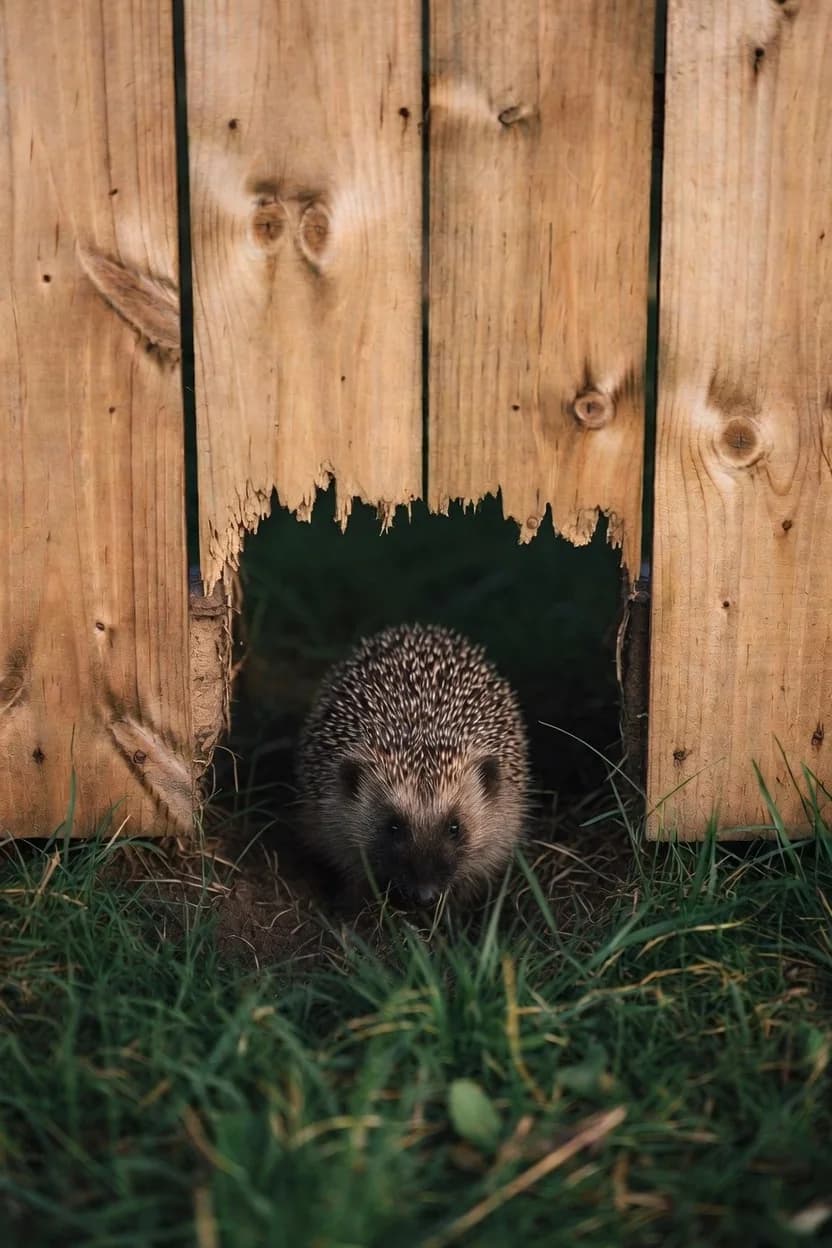
Create a safe hedgehog highway through a wooden fence, then turn one small opening into a connected neighbourhood habitat.
Hedgehogs move through many gardens to find food, mates and nesting places. Solid fences divide that habitat into isolated islands. A carefully finished ground-level opening restores one piece of the route.
The recommended height and width of a square Hedgehog Highway.
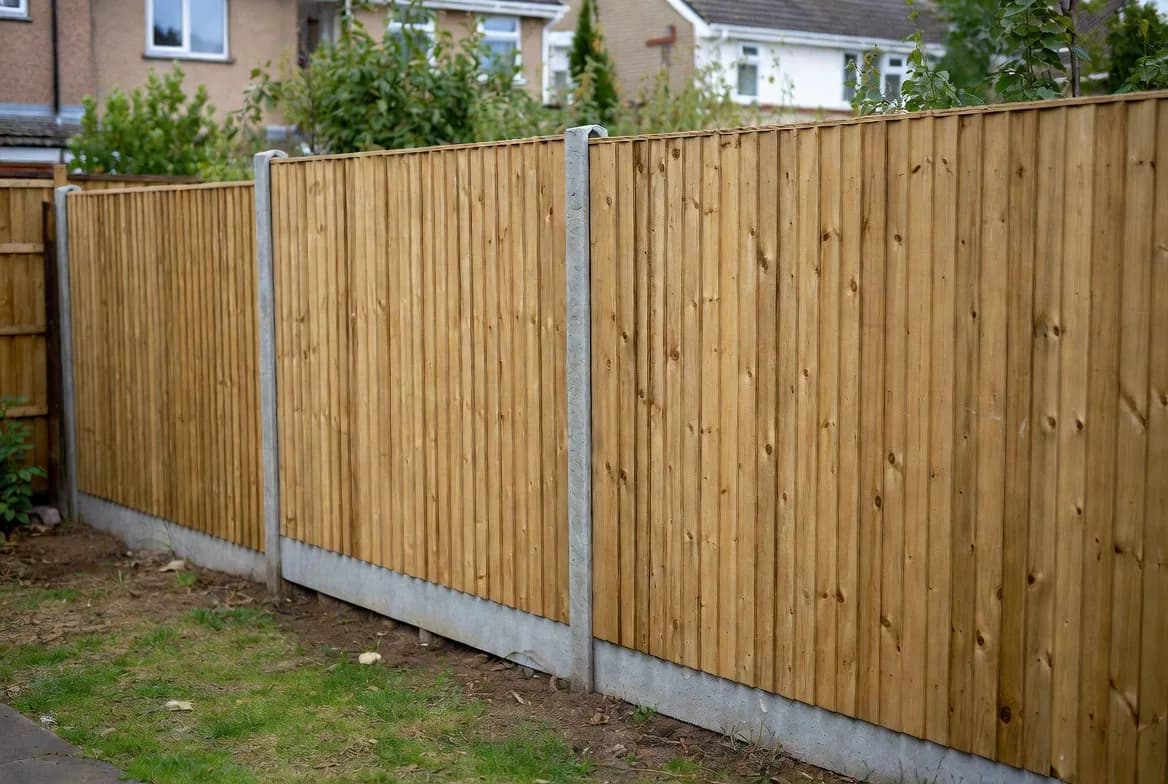
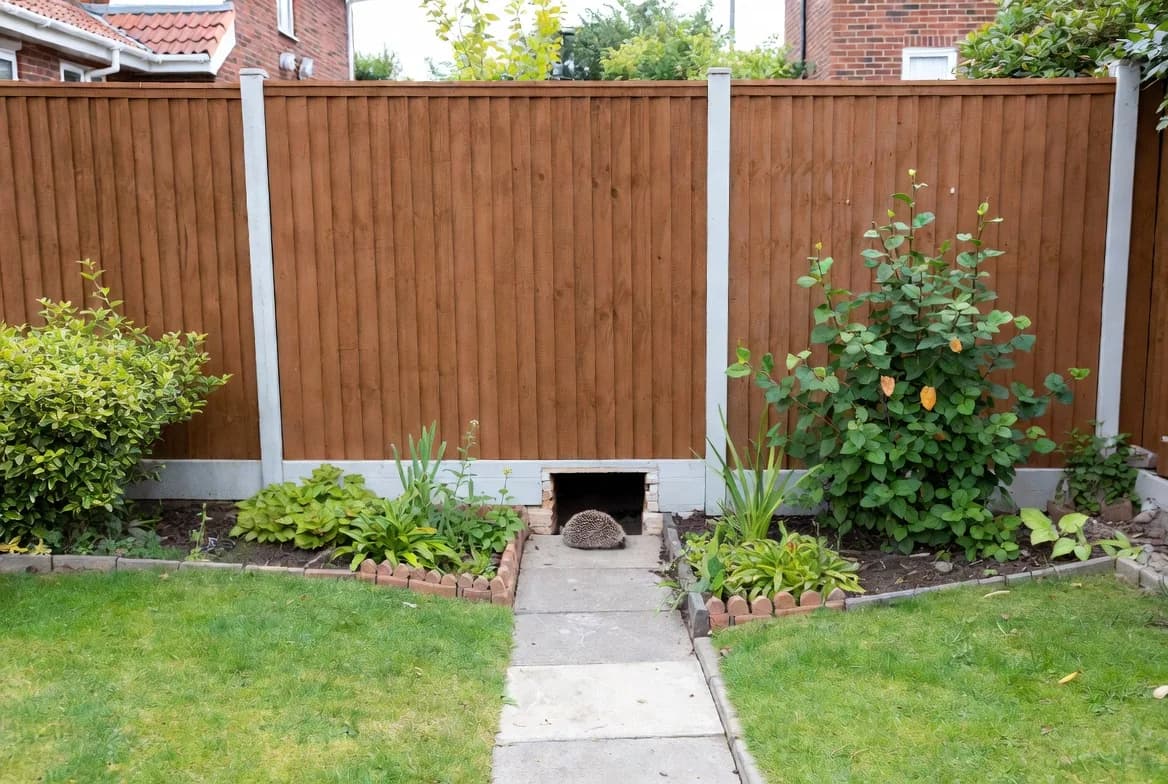
The opening is simple. Choosing the right boundary and finishing it safely is the real project.
Confirm ownership and agree the location with the neighbour on the other side.
Avoid roads, drops, drains, loose wire, pet hazards and exposed open ground.
Cut boards only. Leave posts, rails, fixings and concrete sections untouched.
01A highway is most valuable when it links several gardens rather than opening into another enclosed space. Speak to the owner of the boundary and, where possible, ask the next neighbour to continue the route.
Choose a ground-level position with clear access on both sides. Avoid fence posts, horizontal rails, concrete gravel boards, buried cables and places where a pet could reach a road or other danger.
 02
02A square opening measuring 13 cm by 13 cm is sufficient for a hedgehog and is too small for nearly all pets. Mark it at the very bottom of the panel so the animal does not need to climb or squeeze over a lip.
A reusable cardboard template makes it easier to repeat the same opening along a connected street. Check the dimensions twice before cutting and keep the outline clear of nails, screws and panel joints.
 03
03Wear eye protection and gloves, and use a tool suited to the panel. A drilled starter hole can help a coping or pad saw begin the cut. Keep hands away from the blade and ask an experienced adult or tradesperson to do the work if you are not confident.
Cut only the vertical boards needed for the opening. Do not cut structural posts or rails. If the boundary uses metal, masonry, composite panels or a concrete base, choose a safe alternative such as a channel beneath a gate or professional installation.
04Sand rough timber and remove exposed nails, wire, staples or splinters. Check both sides at ground level, because an edge that looks harmless from above can catch a leg or scrape an animal moving through at night.
The route should open onto soil, grass or a stable path rather than a drop, drain or loose pile of materials. Keep the first metre free from netting, chemicals, deep water and machinery.
 05
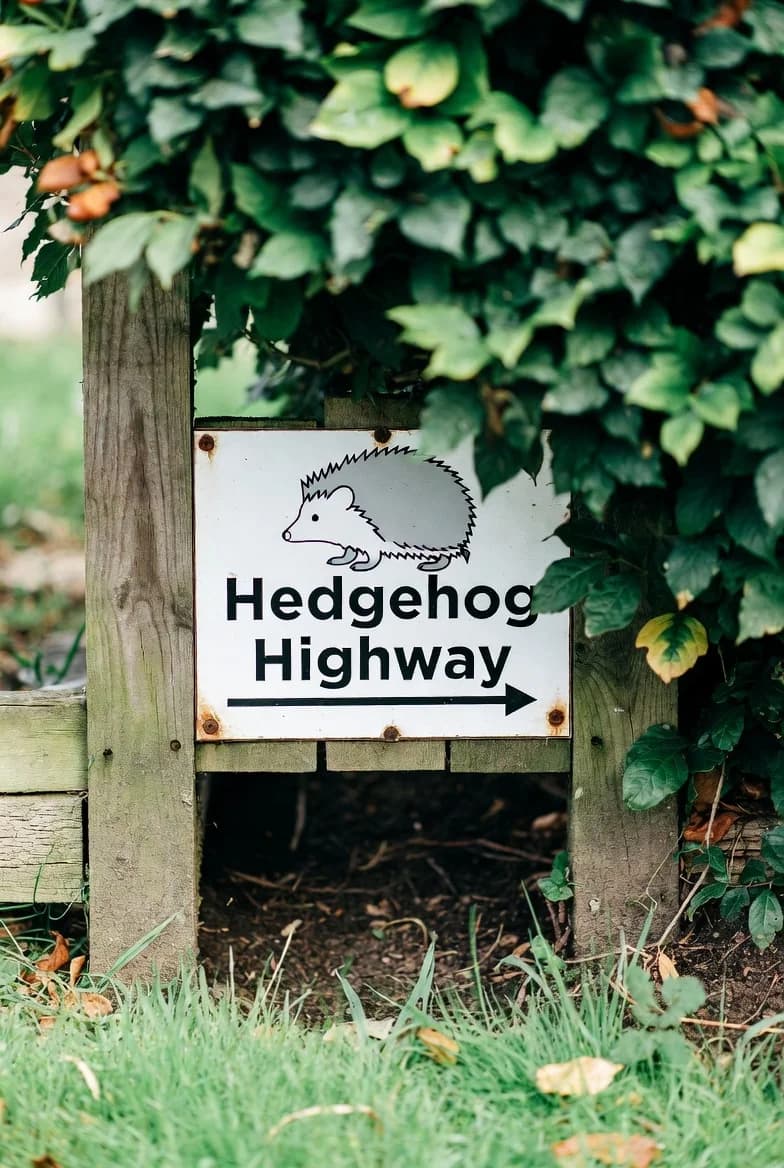
05A small sign tells future owners, gardeners and fencing contractors that the opening is intentional. It reduces the chance of the route being blocked during maintenance or a garden redesign.
Encourage neighbours to add their own opening and record yours on the BIG Hedgehog Map. A single hole helps; a linked chain of gardens creates the feeding and nesting range hedgehogs need.
Keep the route useful with water, natural cover and a garden that is safer after dark.
Add a stable ramp, shallow beach or half-submerged stones so an animal can climb out at any water level.
Search long grass and undergrowth before strimming or mowing, especially around edges and sheltered corners.
Build on the day of lighting or move the pile immediately beforehand so a hidden nest is not set alight.
Keep sports and crop netting taut and raised from the ground when it is not being used.
The standard recommendation is 13 cm by 13 cm. It is large enough for a hedgehog and small enough to exclude nearly all pets. A slightly different shape can work, but it must remain smooth, unobstructed and generous enough for an adult hedgehog.
No. Confirm who owns the fence and get permission before altering it. A highway works best as a shared project, so agree the position with the neighbour on the other side as well.
Do not attempt to cut a concrete base with ordinary hand tools. Look for a safe gap beneath a gate, an opening through a suitable wall, a short tunnel under the boundary, or ask a competent contractor about a purpose-made solution.
No. It removes one barrier, but visits depend on local hedgehog populations and the wider habitat. Water, natural food, shelter, safe ponds and fewer hazards make the connected route much more useful.
It is better to keep the entrance clear and sheltered. If you offer supplementary food, place a small amount of suitable meaty hedgehog or cat or dog food elsewhere, provide fresh water and clean the feeding area regularly. Never offer milk.
This guide follows UK conservation guidance. Check the latest advice before changing a boundary or helping an animal that appears unwell.
Mini Wild Garden turns wildlife science and trusted UK conservation guidance into practical changes that work in ordinary gardens, balconies and small outdoor spaces.
Read the Mini Wild Garden approach →