
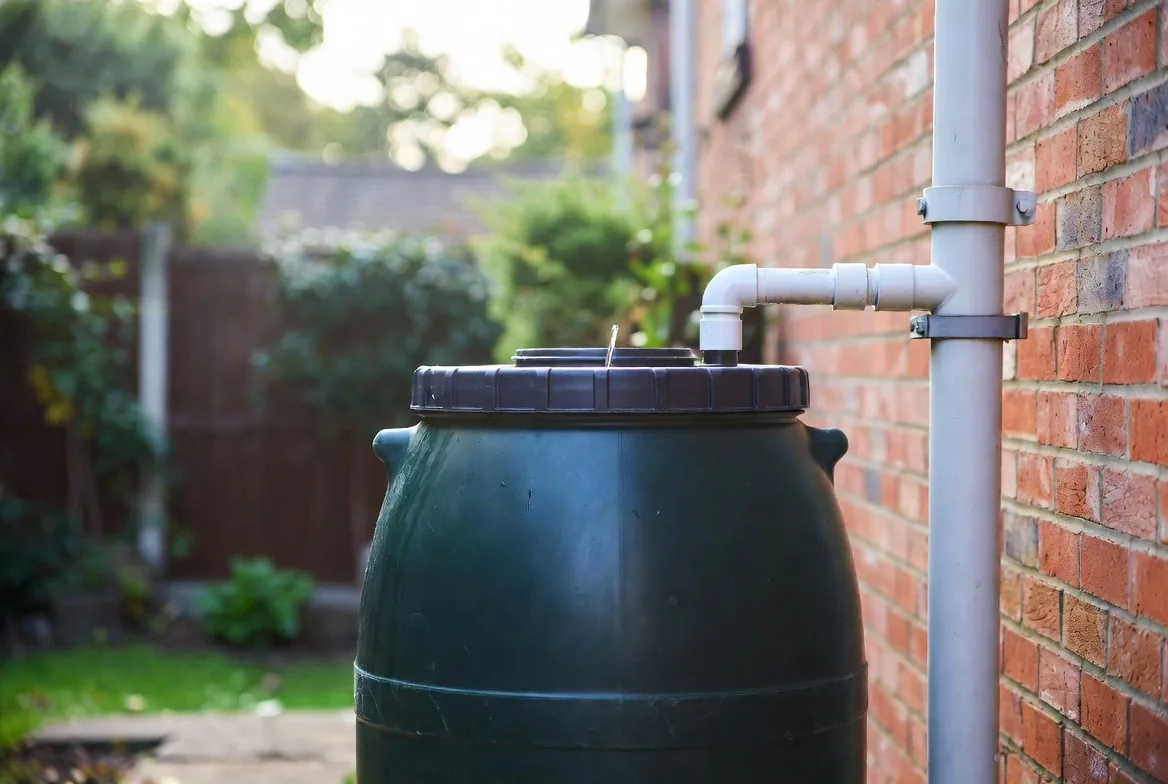
A covered water butt connected securely to a house downpipe
Water saving

Collect and use rainwater

Set up a secure water butt and use stored rain where it makes the greatest difference in your garden.

Why it matters

Stored rainwater reduces reliance on treated mains water and gives you a useful reserve for dry periods. A good system needs a stable base, a covered container, a sound connection to the downpipe and an overflow route that will not create damp or flooding problems.

Step by step

Make it happen.

01

Choose a safe position and container

Place the water butt beside a suitable downpipe on a solid, level base that can carry its full weight. Use a purpose-made container with a close-fitting lid and child-safe access. Check that the tap is high enough for a watering can and that the location will not obstruct a path.
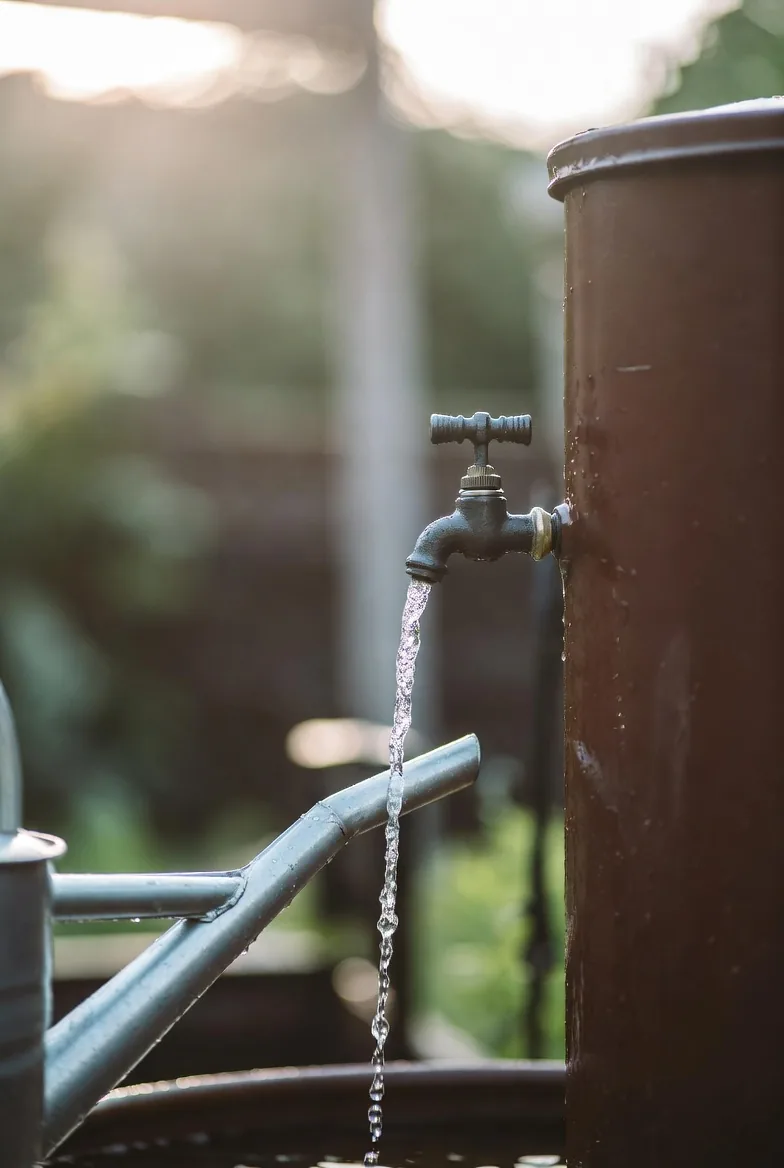
Stored rainwater flowing from a water-butt tap into a watering can
02

Fit the diverter and overflow

Follow the manufacturer's instructions for the rainwater diverter and keep connections watertight. Make sure excess water can return to the drain or reach a safe permeable area rather than collecting beside the house, a neighbour's boundary or a foundation.
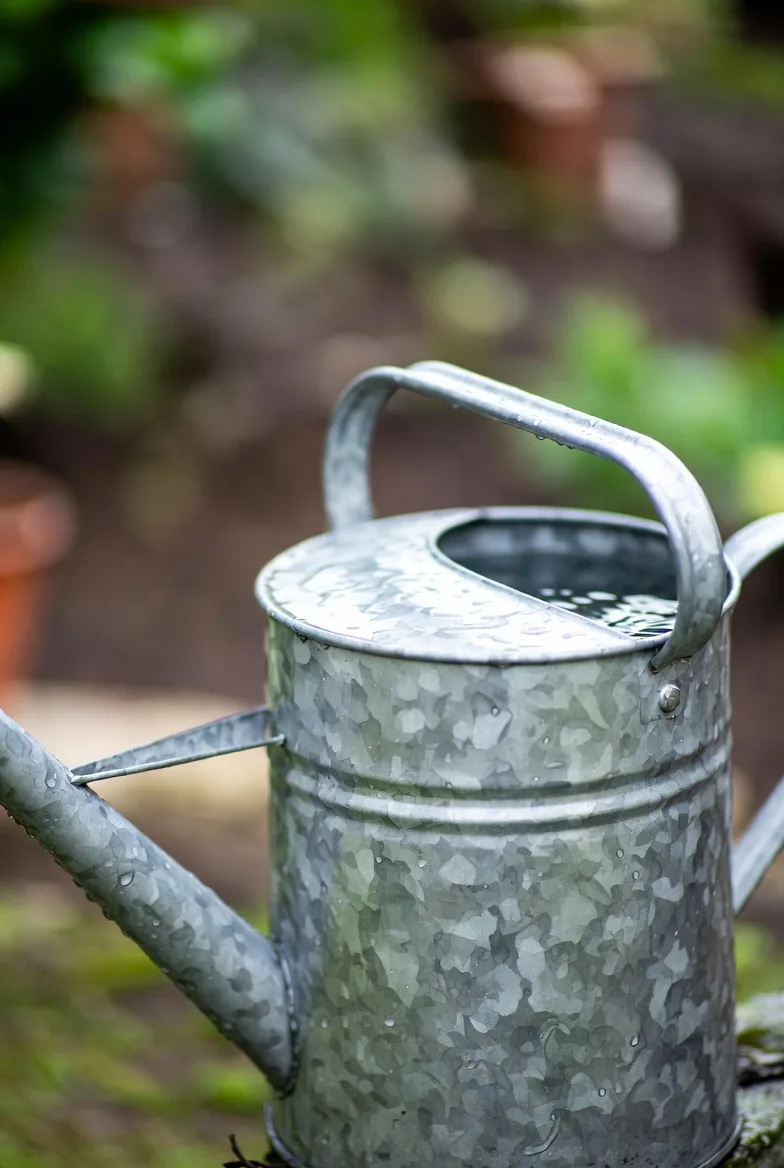
A galvanised watering can ready to carry collected rainwater into the garden
03

Keep the stored water protected

Keep the lid closed, use screens where needed and clear gutters so leaves and debris do not enter the system. Inspect the butt, stand and fittings periodically for leaks, movement, algae and blocked overflows, especially after storms or freezing weather.
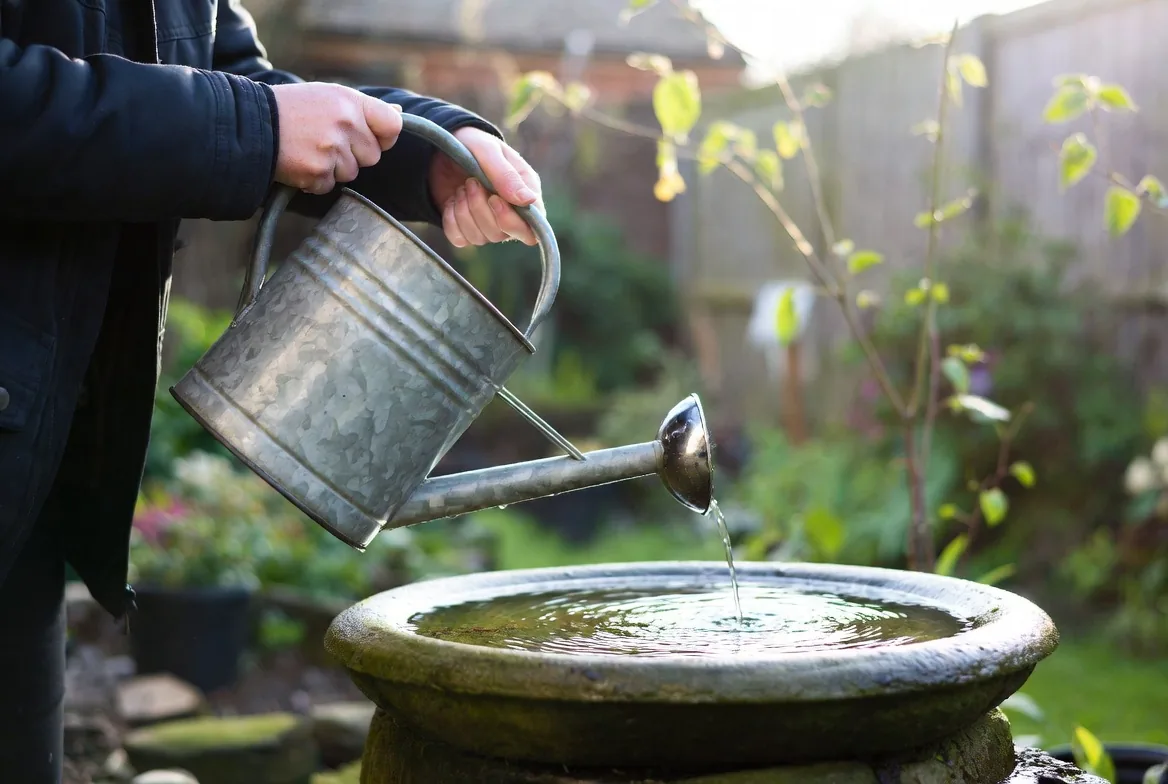
A garden bird bath being topped up carefully with a watering can
04

Use rainwater where it helps most

Prioritise containers, young plants and recently planted borders during dry periods, watering the soil around roots rather than spraying foliage. Stored rainwater is for garden use, not drinking. Empty, clean or isolate the system when maintenance or severe winter conditions require it.
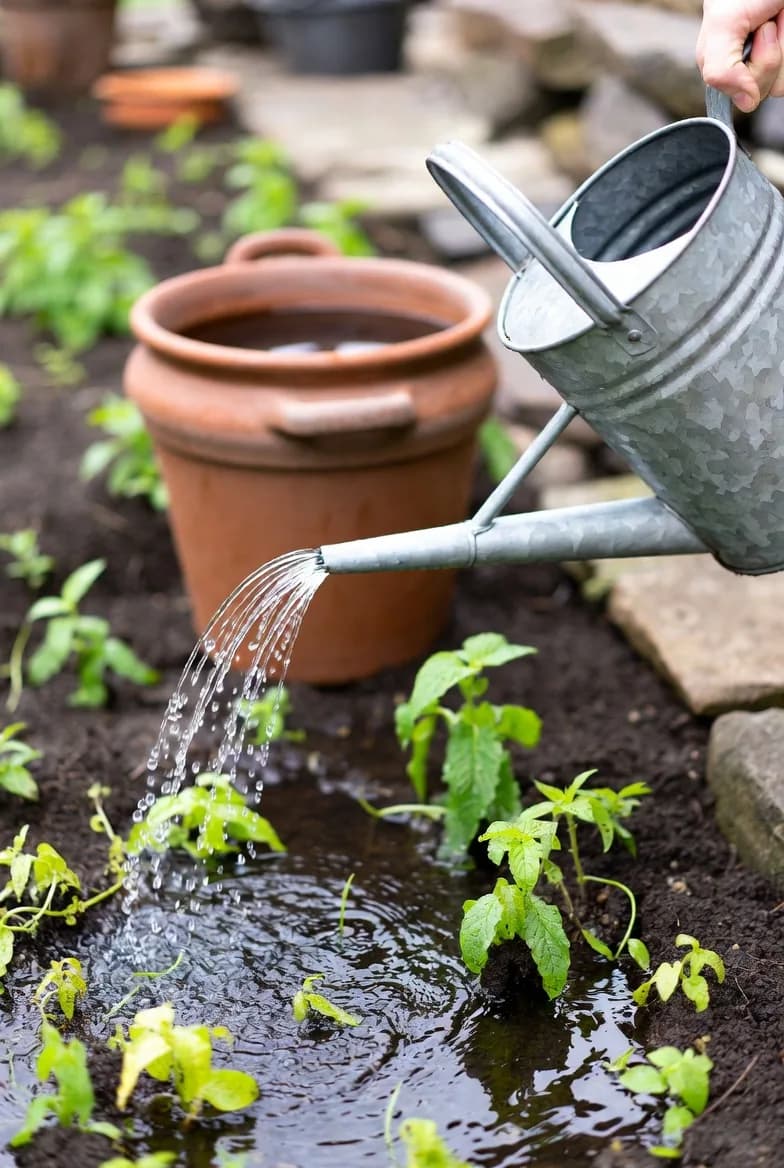
Young garden plants being watered directly at soil level
Keep it wild. Keep it safe.

Let wildlife arrive in its own time.

Use responsibly sourced plants and materials, avoid moving animals from the wild, and always build in safe access and escape routes. The best habitat is one that can settle, change and become part of the wider garden.

Written and reviewed by

Natasha Card

BSc Environmental Science

Mini Wild Garden turns wildlife science and trusted UK conservation guidance into practical changes that work in ordinary gardens, balconies and small outdoor spaces.

Read the Mini Wild Garden approach
Was this guide helpful?