
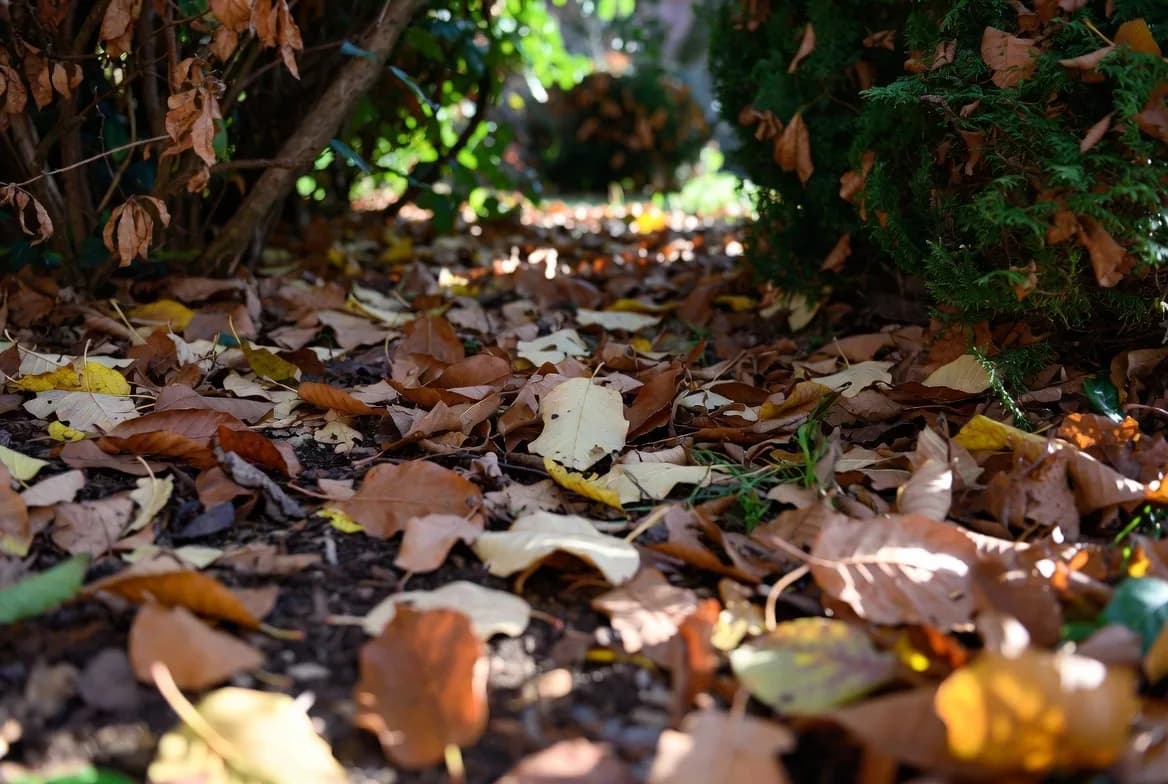
Fallen autumn leaves retained beneath a dense garden hedge
Shelter

Create a wildlife-friendly leaf-litter corner

Turn fallen leaves into a sheltered feeding layer beneath shrubs instead of removing every trace of autumn.

Why it matters

Leaf litter is not waste. Beneath hedges and shrubs it holds moisture, feeds decomposers and creates cover for beetles, woodlice, worms, amphibians and the animals that forage for them. The safest approach is to keep leaves where they help while clearing places that need to stay open.

Step by step

Make it happen.

01

Choose a quiet, shaded position

Use the back of a border, the base of a hedge or an undisturbed corner away from drains, doors and frequently used paths. A spot already connected to shrubs, logs or ground cover will be easier for wildlife to reach without crossing exposed ground.
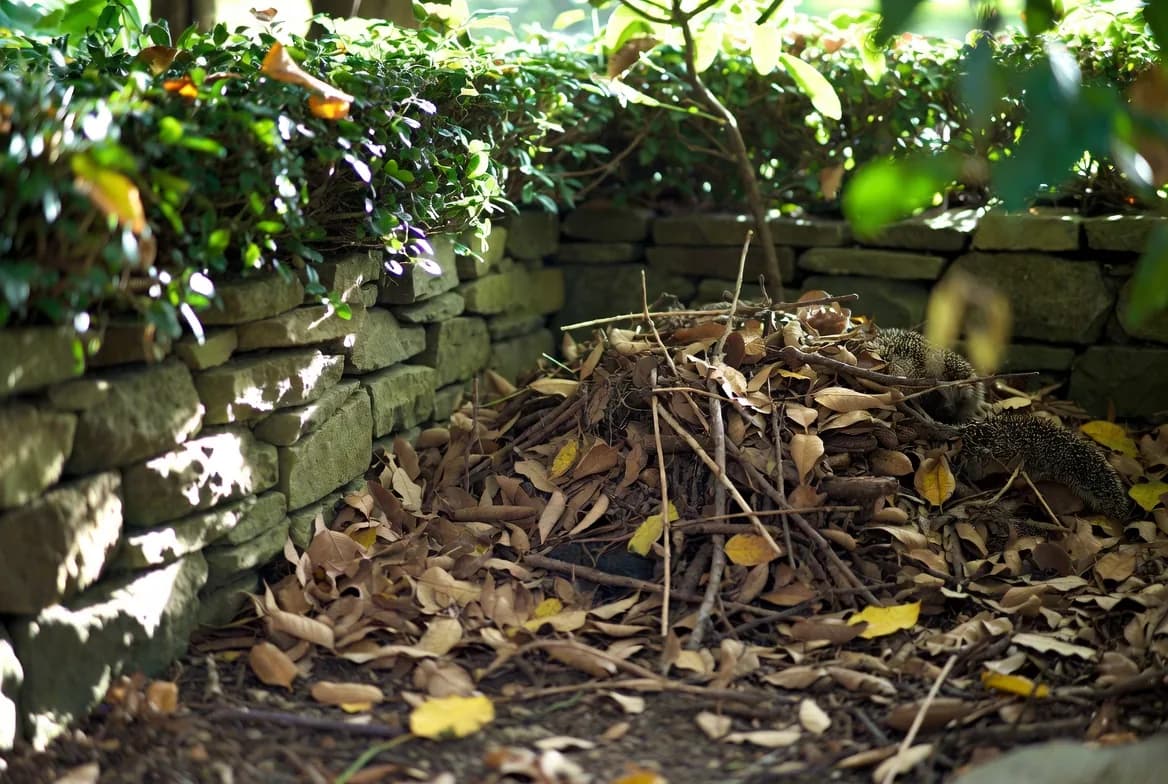
A sheltered leaf and twig habitat beneath shrubs and a low stone edge
02

Gather the right material

Rake healthy fallen leaves into a loose layer and mix in a few small twigs so it does not form one dense, airless mat. Avoid adding litter, treated wood, diseased plant material or large quantities of evergreen needles unless you are deliberately making a separate acidic leaf-mould pile.
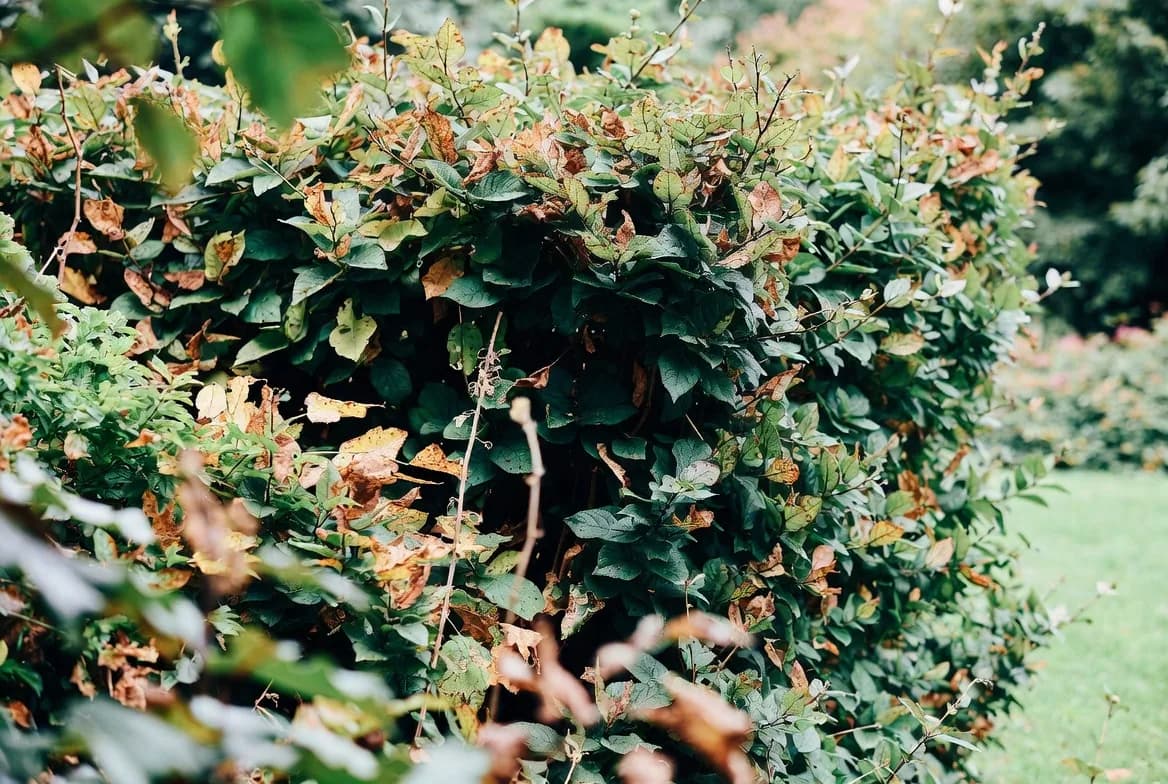
Leaves and dense growth forming protected cover at the base of a hedge
03

Keep the habitat loose and connected

Tuck leaves beneath shrubs and around logs rather than building a steep heap that can blow across the garden. Let nearby ground-cover plants and low branches form a sheltered route into the corner, while keeping the front edge clear enough to inspect.
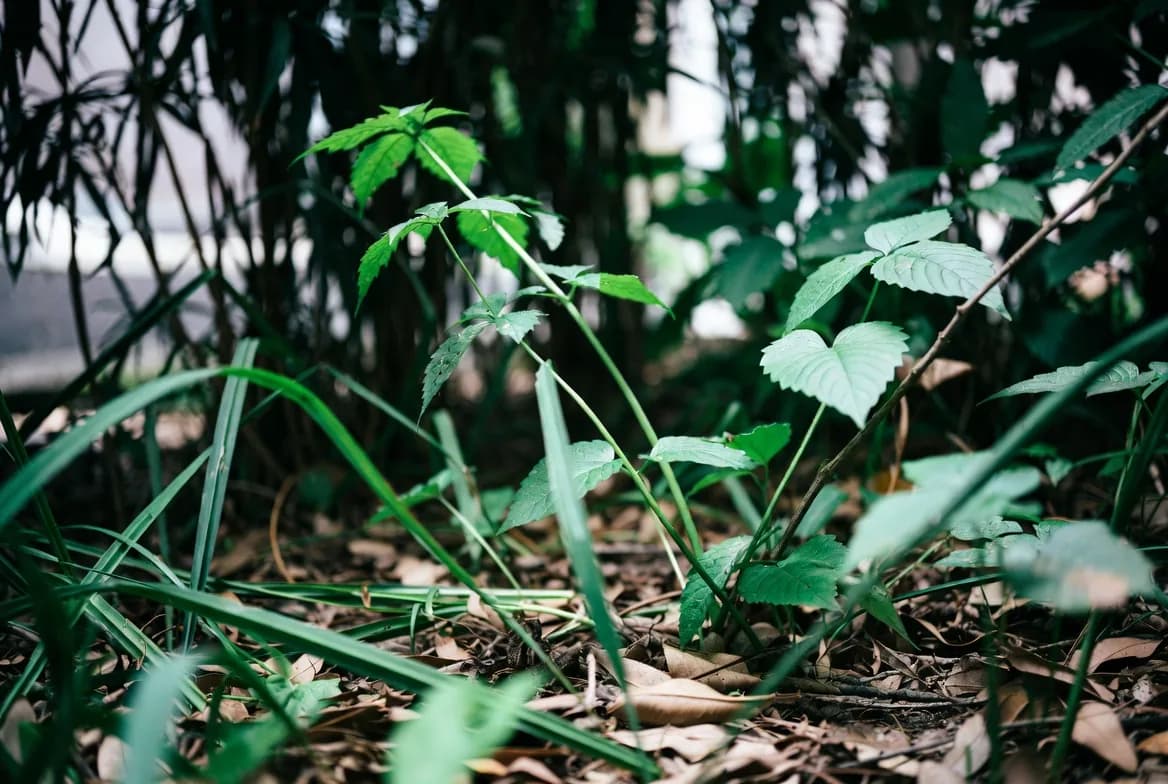
Low ground cover and leaf litter in a cool shaded garden corner
04

Top up instead of rebuilding

Add more leaves each autumn and let the lower layers decompose naturally. Disturb the area as little as possible, especially during cold weather. If you need to move it, work slowly by hand and check for sheltering wildlife first.

Keep it wild. Keep it safe.

Let wildlife arrive in its own time.

Use responsibly sourced plants and materials, avoid moving animals from the wild, and always build in safe access and escape routes. The best habitat is one that can settle, change and become part of the wider garden.

Written and reviewed by

Natasha Card

BSc Environmental Science

Mini Wild Garden turns wildlife science and trusted UK conservation guidance into practical changes that work in ordinary gardens, balconies and small outdoor spaces.

Read the Mini Wild Garden approach
Was this guide helpful?